
Kjetil Haug provides a structured look at the professional evolution of a Norwegian goalkeeper known for discipline, composure, and technical growth. The following is a summary of information from Jalalive about “Kjetil Haug Biography”, highlighting his background, competitive milestones, and long-term potential within European football.
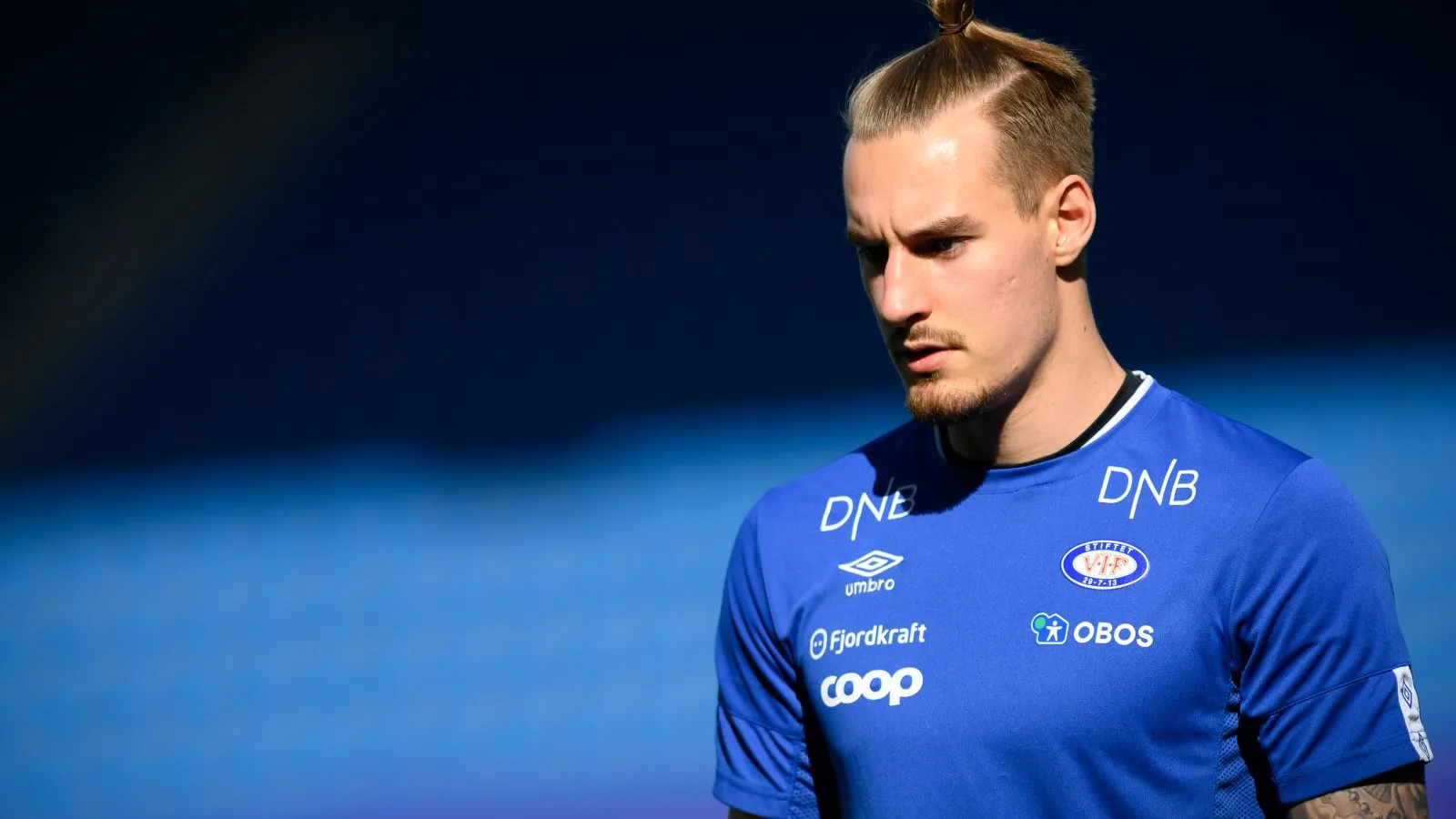
Kjetil Haug Biography profile image during professional match
Early Life And Personal Background
Understanding a goalkeeper’s foundation helps clarify how mental resilience and positional awareness develop over time. This section introduces essential personal details before exploring the technical layers of his progress in professional environments.
-
Full name: Kjetil Haug.
-
Date of birth: June 12, 1998.
-
Nationality: Norwegian.
-
Place of birth: Norway.
-
Position: Goalkeeper.
-
Preferred foot: Right.
Growing up in Norway, Haug was introduced to structured football systems at a young age. Scandinavian academies emphasize discipline and tactical awareness, elements that later became defining aspects of his identity between the posts. His early exposure to competitive youth tournaments strengthened his adaptability and match temperament.
The developmental years described in Kjetil Haug Biography demonstrate gradual improvement rather than sudden prominence. Each training phase contributed to better anticipation, aerial control, and distribution accuracy, qualities increasingly demanded in modern goalkeeping.
Youth Development And Technical Foundations
Haug’s academy experience prioritized positioning, reflex training, and ball distribution. Rather than relying solely on physical attributes, coaches focused on decision-making under pressure. This emphasis allowed him to mature tactically before transitioning into senior-level competition.
Technical repetition built consistency in handling crosses and organizing defensive lines. These fundamentals provided stability during his early professional appearances, reducing performance volatility in high-pressure matches.
Early Competitive Exposure
Participating in domestic competitions offered valuable match rhythm. Facing varied attacking styles enhanced his reaction speed and situational awareness. Competitive exposure also improved communication skills, an essential trait for commanding defensive structures effectively.
By the time he entered senior squads, Haug had already developed a calm presence that reflected structured preparation. This gradual integration reinforced confidence without disrupting long-term development.
Professional Career Progression
Transitioning from youth football to professional leagues required both mental resilience and adaptability. Norwegian goalkeepers often build reputations through reliability, and Haug followed a similar trajectory.
Initial professional contracts marked the beginning of sustained exposure to higher tactical intensity. Training alongside experienced defenders accelerated his reading of attacking patterns. As match minutes accumulated, his positioning became more refined, reducing unnecessary risks.
Loan spells and rotational roles, when applicable, offered practical experience rather than stagnation. Each competitive setting introduced different tactical demands, strengthening versatility. Instead of dramatic career spikes, his journey reflects incremental advancement supported by structured coaching systems.
Within broader discussions of emerging Scandinavian talents, Kjetil Haug Biography highlights stability as a core attribute. Modern clubs increasingly value consistency over unpredictability, and Haug’s disciplined style aligns with that philosophy.
Playing Style And Goalkeeping Identity
Evaluating performance requires attention to both physical and cognitive elements. Haug’s playing style centers on composure, spatial awareness, and efficient movement inside the penalty area.
Distribution And Ball Control
Modern goalkeepers contribute to build-up play. Haug demonstrates controlled short passing and measured long distribution, helping initiate structured transitions. His right-footed delivery supports tactical flexibility, particularly in systems emphasizing possession from the back.
Ball control under pressure reduces defensive panic. This composure enables smoother progression through midfield lines, reflecting tactical maturity rather than reactive clearance strategies.
Reflexes And Defensive Command
Shot-stopping remains fundamental. Haug’s reflex profile emphasizes positioning before athletic extension. Instead of relying solely on dramatic dives, he anticipates trajectories early, narrowing angles effectively.
Read more on Jalalive TV https://jalalive22.io/jadwal-bola-hari-ini/
Communication strengthens defensive cohesion. Clear instructions maintain compactness, limiting exposure to high-percentage scoring zones. These elements collectively reinforce the technical portrait presented throughout Kjetil Haug.
Kjetil Haug Biography – Achievements And Career Outlook
Although not defined by sensational headlines, Haug’s career demonstrates steady consolidation within competitive European frameworks. Appearances in domestic leagues and cup competitions illustrate reliability trusted by coaching staff.
Recognition at youth national levels further reflects institutional confidence. Representing Norway in international setups demands tactical discipline and psychological readiness, traits consistently associated with his profile.
Looking forward, sustained physical conditioning and adaptability to tactical evolution will determine future milestones. Goalkeeping careers often extend longer than outfield roles, creating opportunities for leadership growth. With accumulated experience, Haug may transition from emerging talent to established presence.
The analytical perspective within Kjetil Haug Biography suggests that progression will depend on consistent performance metrics rather than isolated standout moments. Stability, adaptability, and preparation remain decisive factors in long-term relevance.
Conclusion
Kjetil Haug Biography reflects a professional journey built on structure, discipline, and incremental growth. From youth foundations in Norway to competitive European appearances, his trajectory highlights consistency over spectacle. Continued refinement of distribution, positioning, and leadership qualities may define his long-term impact within modern goalkeeping environments.