
Gravity Water Filters vs Traditional Water Filters – Which Is Better?
Clean drinking water is essential for maintaining good health, and choosing the right filtration system is a decision that many households face. With numerous options available, understanding the differences between a gravity water filter system and traditional water filters is important. A gravity fed water filter system offers a simple, reliable, and energy-free approach to purifying water, while traditional filters often rely on plumbing, electricity, or complex mechanisms. Comparing the two can help you determine which option best fits your household needs.
How Gravity Water Filters Work
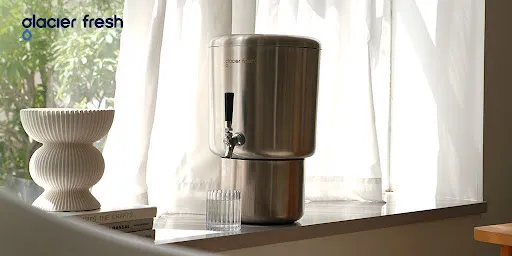
A gravity water filter system operates on one of the simplest principles: gravity. Water is poured into an upper chamber, and as it slowly passes through filtration media such as activated carbon or ceramic, impurities are removed. Clean water collects in the lower chamber, ready for drinking. The process requires no electricity, pumps, or pressure, which makes the system highly reliable and easy to use.
The slow filtration process allows water to spend more time in contact with the media, effectively reducing sediments, chlorine, and harmful microorganisms. A GE refrigerator water filter compatibility is especially suitable for households that want a low-maintenance solution providing consistently clean and safe drinking water.
How Traditional Water Filters Work
Traditional water filters often include under-sink systems, faucet-mounted units, or reverse osmosis setups. These systems may use pressurized water, electric pumps, or membranes to remove impurities. While they are capable of filtering a wide range of contaminants, they require proper installation, electricity, or plumbing connections, which can complicate use for some households.
Many traditional filters also rely on frequent maintenance and replacement of cartridges or membranes to ensure performance. If the system is not maintained properly, water quality can decrease over time, potentially affecting taste and safety.
Key Differences Between Gravity and Traditional Filters
The main difference between a gravity water filter system and traditional filters lies in simplicity and independence from external resources. Gravity filters work without electricity, pumps, or plumbing, making them portable and easy to set up. They are also user-friendly, requiring minimal maintenance.
Traditional filters, on the other hand, can remove a wider range of contaminants and may offer faster filtration rates. However, they are often less portable, more expensive, and dependent on electricity or pressurized water supply. While effective, traditional systems may not always be practical for households with limited installation options or those seeking an eco-friendly and low-maintenance solution.
Benefits of Gravity Water Filters
Gravity water filters provide several practical advantages. They are simple to operate and reliable under any circumstances, even during power outages. They improve the taste and odor of water by removing chlorine and sediments and are gentle on the environment because they reduce reliance on bottled water. Their portability allows them to be used in homes, outdoor activities, or emergency situations, making them versatile for modern households.
A gravity fed water filter system also encourages consistent water consumption. Families can enjoy fresh-tasting water without worrying about complicated setups or ongoing maintenance, which is ideal for children and elderly members who may struggle with more technical filtration systems.
When Traditional Filters Might Be Preferred
Traditional water filters may be preferred in homes where water contains specific contaminants that require advanced filtration, such as heavy metals or dissolved salts. Reverse osmosis systems and under-sink units can provide a high level of purification and faster output. For households with stable electricity and plumbing, these systems can be highly effective.
However, they may not be practical for all users due to installation requirements, costs, and ongoing maintenance needs. Traditional filters are less flexible when it comes to portability or emergency situations, limiting their usability outside of the home environment.
Conclusion
Choosing between a gravity water filter system and traditional water filters depends on your household needs and lifestyle. A gravity fed water filter system offers simplicity, durability, and independence from electricity, making it ideal for families seeking a low-maintenance, reliable source of clean drinking water.
While traditional filters can offer more advanced purification and faster filtration, they often require complex installation and ongoing maintenance. For most families looking for convenience, safety, and sustainability, a gravity water filter provides the perfect balance of effectiveness and ease of use.
Investing in a gravity water filter ensures your household has consistent access to safe, clean, and great-tasting drinking water, making it a practical and dependable choice for daily life.