
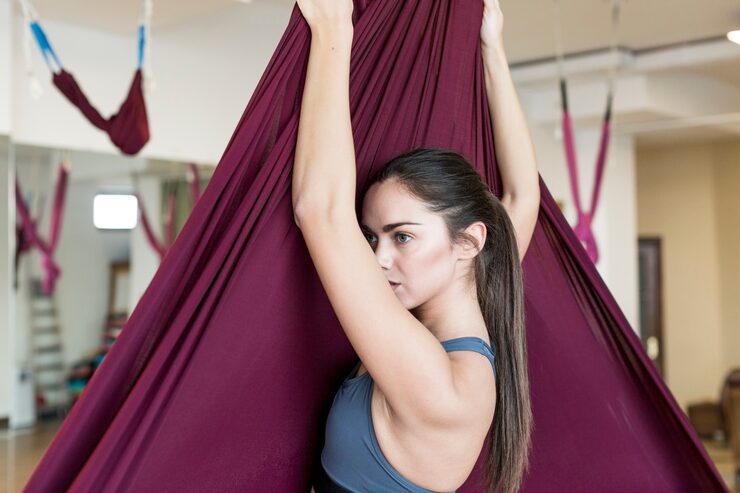
Aerial arts such as aerial hoop, silks, trapeze, and aerial dance have become increasingly popular around the world. These disciplines combine strength, flexibility, creativity, and artistic performance. While technique and training are essential for progress, the clothing used during aerial practice also plays a very important role.
Specialized training apparel helps performers move freely while protecting the body from friction caused by aerial equipment. Choosing the right outfit can significantly improve comfort, safety, and overall performance.
Why Specialized Clothing Matters in Aerial Arts
Aerial artists spend much of their time suspended in the air while interacting with metal hoops, fabrics, ropes, and other aerial apparatus. These surfaces can create friction against the skin, especially during complex transitions or drops.
Standard gym clothing is not always designed for this type of activity. Specialized aerial clothing is created with durable materials, flexible fabrics, and strong stitching that can handle the demands of aerial training.
Many performers choose professional aerial performance wear because it is designed specifically for aerial movement, safety, and stage performance.
Comfort and Full Range of Motion
Aerial arts require extreme flexibility and strength. Performers regularly execute splits, inversions, spins, and dynamic transitions. Clothing must allow complete freedom of movement without restriction.
Stretch fabrics such as spandex or high-performance athletic materials allow the body to move naturally while maintaining durability. Proper aerial clothing fits closely to the body, preventing loose fabric from interfering with equipment.
Comfort also becomes critical during long training sessions. Breathable fabrics help regulate body temperature and allow artists to focus entirely on their technique.
Protection from Friction
Aerial apparatus can cause friction burns or bruises when skin repeatedly contacts metal or fabric surfaces. Protective clothing helps reduce these risks.
Common protective garments include:
- Leggings for leg protection on aerial hoops
- Long-sleeve tops for rope or silk training
- Unitards for full-body protection
- Compression outfits that support muscles
Durability for Intensive Training
Aerial training places significant stress on fabrics. Clothing must withstand repeated stretching, gripping, sliding, and washing. High-quality materials ensure that garments maintain their elasticity and strength over time.
Reinforced seams and professional stitching help prevent damage during demanding training sessions.
Performance and Stage Appearance
Aerial performances combine athletic ability with artistic expression. Costumes must highlight body lines, complement choreography, and maintain complete functionality.
Professional aerial performance clothing is designed to create a visually striking appearance while still allowing performers to execute complex tricks safely.
Choosing the Right Aerial Training Outfit
When selecting clothing for aerial arts, performers should consider several important factors:
- Stretch and flexibility
- Breathable fabric
- Durability and strong seams
- Protection from friction
- Professional appearance
The Growing Popularity of Aerial Arts
Over the last decade, aerial arts have expanded rapidly in popularity. Fitness studios, circus schools, and dance academies around the world now offer aerial classes for beginners and professionals.
Conclusion
Aerial arts require dedication, strength, flexibility, and creativity. While technique and training remain essential, the right clothing can make a significant difference in both comfort and safety.
High-quality aerial apparel supports movement, protects the body from friction, and enhances performance presentation.