
Solar panels rarely waste energy because they make too little. More often, the problem is timing. A microinverter system may be producing strongly at 12:30 p.m., while the home’s biggest loads, including space conditioning, hot water, cooking, and EV charging, arrive hours later. That gap between when solar is made and when electricity is useful is where good home energy management starts to matter.
A microinverter is a small inverter paired with an individual solar module, converting that panel’s DC output into AC power near the roof. The setup is excellent for panel-level production, but once that electricity reaches the home, it still needs a plan. Without one, the house may export midday power and later buy electricity back from the grid during a more expensive evening period.
The Real Problem Is Not Surplus. It Is Unscheduled Demand.
NREL has long pointed to flexible loads and storage as tools for improving solar self-consumption. In plain terms, the home needs useful things to do when solar is abundant.
That does not mean turning on every appliance at noon. The better approach is ranking loads by value. A heat pump water heater, for example, can store solar energy as hot water. A home heat pump can preheat or precool indoor space within comfort limits. A battery can hold excess generation for backup or evening use. An EV can soak up solar if it is parked during the day.
This is where a smart home energy system can make microinverter solar more practical. It can watch production, battery state, grid import/export, and controllable loads together instead of treating each device as a separate island.
Why Heat Pumps Are Often the Best First Load
A heat pump moves heat rather than creating it directly, which makes it unusually efficient for using solar electricity. According to the IEA, modern heat pumps are typically three to five times more efficient than gas boilers.
That efficiency changes the math. One kilowatt-hour of midday solar may become several kilowatt-hours of useful heating or cooling effect. For a homeowner, that can mean heating water before dinner, precooling the house before a utility peak window, or reducing grid demand when electricity prices rise.
Still, heat pumps need guardrails. A good control strategy should consider:
-
indoor comfort limits
-
hot water temperature range
-
weather forecast
-
battery reserve target
-
expected evening load
-
utility time-of-use pricing
The phrase excess solar power smart loads can sound simple, but the actual decision is dynamic. On a mild spring day, the best use may be EV charging. During a winter cold snap, it may be preserving battery backup and shifting heat pump operation into the sunniest hours.
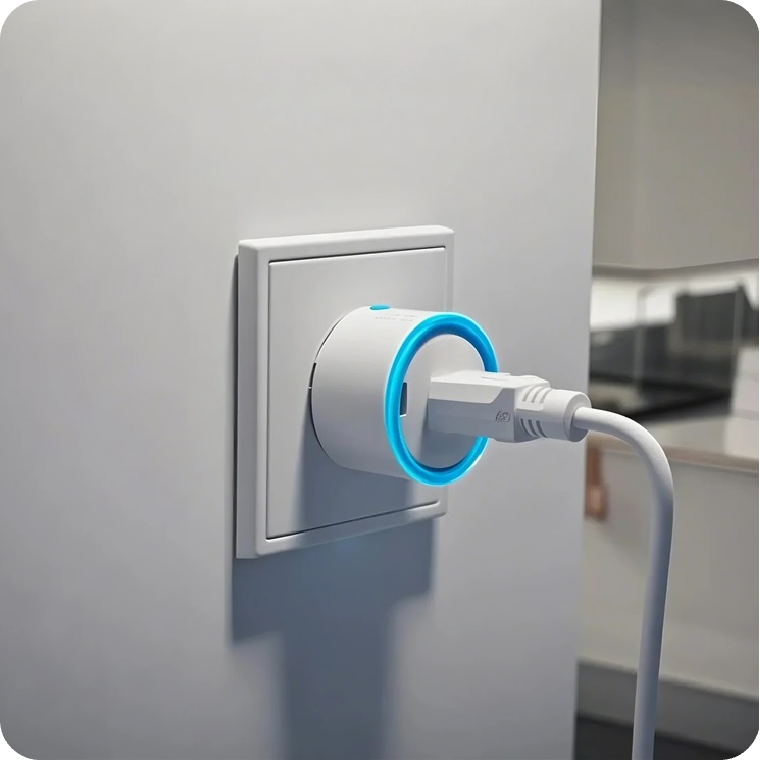
Load Control Has to Be More Than Smart Plugs
Useful load management happens at the circuit and system level. Some loads are flexible. Others are critical. A dishwasher can wait. A medical device cannot. A freezer has tolerance, but only within limits.
For homes that want backup as well as solar optimization, products like Sigen LoadHub are relevant because they manage multiple controllable loads and help distinguish whole-home backup from selected circuit backup. SigenStor also brings solar inverter, battery PCS, battery pack, EV DC charging, and EMS functions into one integrated storage platform, which can reduce the number of separate systems trying to make energy decisions.
The mySigen App adds the visibility layer: production, consumption, storage, and load behavior can be seen in one place. That matters because solar surplus changes minute by minute, especially with passing clouds or partial shading across a microinverter array.
A Practical Priority Stack
A sensible home energy sequence might look like this: serve normal household demand first, run heat pump loads when comfort or water storage can absorb energy, charge batteries to the desired reserve, then direct remaining surplus to EV charging or other deferrable loads.
This kind of order prevents the common mistake of using solar wherever it happens to land first. The better goal is to put each extra kilowatt-hour where it has the highest household value.
For homes with microinverters, the roof already produces granular solar power. The next step is connecting that output to flexible demand, storage, EV charging, and backup logic through home energy management for solar, storage, and controllable loads. Done well, midday surplus becomes hot water, comfort, stored energy, and fewer expensive grid purchases.
