

Have you ever found yourself staring at the sky, watching clouds drift by, feeling oddly calm or inspired? If so, you might be a nephophile. This word has quietly gained popularity among poets, photographers, mental health writers, and nature lovers who seek language that captures emotional connections to the natural world.
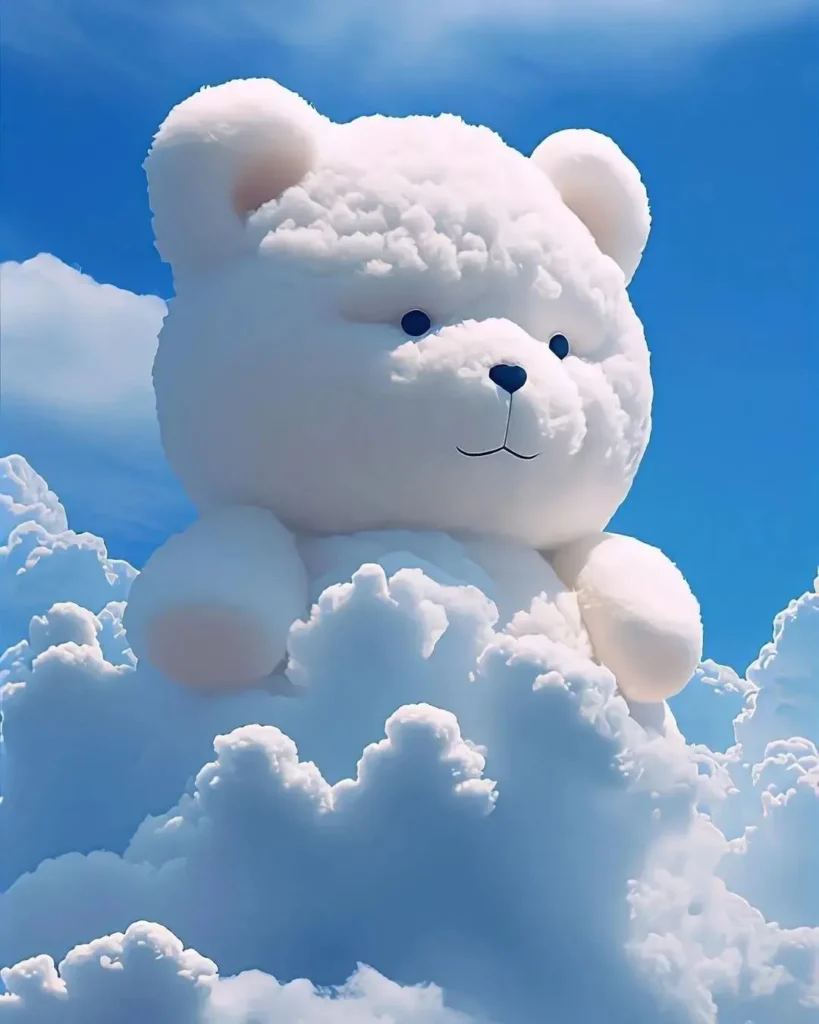
Nephophile meaning refers to a person who loves clouds their shapes, movements, and the emotions they evoke. A nephophile often finds comfort, inspiration, or joy in watching the sky. The word comes from Greek roots meaning cloud and lover. It’s informal, poetic, and increasingly popular in modern language.
A Grammatical Overview
Nephophile Meaning
Nephophile (noun):
A person who loves clouds or cloud formations and enjoys watching them.
Phonetic Spelling & IPA
-
Phonetic: nef-uh-file
-
IPA: /ˈnɛfəˌfaɪl/
Part of Speech
-
Noun (countable): She is a nephophile.
-
Related adjective: nephophilic (rare, technical usage)
Origin & Etymology
The word nephophile comes from:
-
Greek nephos = cloud
-
Greek philos = loving, fond of
Although its roots are ancient, the word itself became more visible in English usage in the early 20th century and saw a strong revival after 2015 through social media, poetry communities, and mental wellness writing.
Unlike scientific cloud terminology, nephophile is emotionally expressive rather than technical, which explains its growing appeal.
Detailed Usage
The nephophile meaning goes beyond simply “liking clouds.” It often implies a deeper emotional or aesthetic connection.
Common Contexts
-
Emotional & Mental Wellness
-
People who find calm or clarity in watching clouds.
-
-
Poetry & Creative Writing
-
Used metaphorically to express imagination, longing, or peace.
-
-
Photography & Art
-
Describes artists drawn to sky landscapes.
-
-
Romantic Expression
-
Sometimes used in poetic contexts to symbolize gentle love.
-
Grammar Notes & Collocations
Common word pairings include:
-
a devoted nephophile
-
a lifelong nephophile
-
true nephophile energy
-
the soul of a nephophile
-
nephophile at heart
You’ll most often see it used as a descriptive noun in reflective or creative writing.
Nephophile Synonyms & Antonyms
| Word | Meaning |
|---|---|
| Cloud lover | Plain-language equivalent |
| Sky gazer | Someone who watches the sky |
| Nature lover | Broader category |
| Dreamer | Figurative overlap |
| Storm chaser | Different, action-oriented |
Nephophile Antonyms (contextual):
-
Indifferent observer
-
Nature-averse person
-
Disinterested viewer
There is no direct formal antonym because the word describes a preference, not a fixed trait.
Example Sentences
-
She’s a nephophile who finds peace in watching storm clouds roll in.
-
As a nephophile, he photographs the sky every evening.
-
The poem reads like it was written by a true nephophile.
-
Her journal entries reveal a quiet nephophile’s heart.
-
Being a nephophile doesn’t require knowledge just appreciation.
-
The artist described himself as a nephophile drawn to soft skies.
-
That slow gaze at the clouds? Classic nephophile behavior.
Common Mistakes & Tips
Common Errors
-
Misspelling: nephaphile, nephofile, nephilophile
-
Mispronunciation: Saying “neff-oh-feel” instead of nef-uh-file
-
Confusion with meteorologist: A nephophile is not a scientist.
Tips to Avoid Errors
-
Remember: nephos (cloud) + phile (lover)
-
Use it as a noun, not a verb.
-
Keep it informal and poetic not technical.
Cultural & Contextual Insight
The word nephophile has found a strong home in:
-
Poetry collections
-
Mindfulness and wellness blogs
-
Aesthetic social media captions
-
Nature photography communities
In modern language culture, nephophile often represents:
-
Slowness in a fast world
-
Emotional sensitivity
-
Appreciation for transient beauty
Recent wellness research (2025–2026) supports why such words resonate:
-
A 2025 study in Environmental Psychology found that passive sky observation significantly reduces stress markers.
-
A 2026 report from the Journal of Positive Psychology linked nature-focused attention (including cloud-watching) to improved emotional regulation.
-
A 2025 cognitive study showed that visual exposure to natural motion (like drifting clouds) enhances creative thinking.
These findings reinforce why the nephophile meaning connects so deeply with modern emotional language.
Nephophile Meaning in Love
In romantic or poetic contexts, nephophile meaning in love often symbolizes:
-
Gentle affection
-
Emotional depth
-
A dreamy or reflective personality
Example:
“He loved her like a nephophile loves the sky quietly, endlessly.”
It does not describe romantic attraction to clouds, but rather a soft, poetic emotional tone.
Nephophile Meaning in Regional Languages
Nephophile Meaning in Hindi
नेफोफाइल (Nephophile) — बादलों से प्रेम करने वाला व्यक्ति
(A person who loves clouds)
Nephophile Meaning in Tamil
நெஃபோபைல் (Nephophile) — மேகங்களை நேசிக்கும் நபர்
(One who loves clouds)
Nephophile Meaning in Bengali
নেফোফাইল (Nephophile) — যে ব্যক্তি মেঘ ভালোবাসে
(A person who loves clouds)
Nephophile Meaning in Marathi
नेफोफाइल (Nephophile) — ढगांवर प्रेम करणारी व्यक्ती
(A person who loves clouds)
Nephophile Meaning in Kannada
ನೆಫೋಫೈಲ್ (Nephophile) — ಮೋಡಗಳನ್ನು ಪ್ರೀತಿಸುವ ವ್ಯಕ್ತಿ
(A person who loves clouds)
These transliterations preserve the original term while explaining its meaning naturally in each language.
Nephophile Quotes
Here are a few original-style quotes reflecting the nephophile spirit:
-
“A nephophile doesn’t just watch the sky they feel it.”
-
“Where others see clouds, a nephophile sees stories.”
-
“Some hearts are made for motion, others for clouds.”
-
“Being a nephophile means loving what never stays.”
-
“The sky belongs to those who look up.”
These types of quotes are commonly shared in wellness and poetry communities.
What Is a Nephophile Person Like?
A nephophile person is often described as:
-
Reflective
-
Calm
-
Imaginative
-
Emotionally aware
-
Drawn to beauty in simplicity
This is not a psychological diagnosis or fixed personality type it’s a poetic descriptor of preference and temperament.
Tips to Remember / Learn the Word
-
Break it down: nephos (cloud) + phile (lover)
-
Associate it with calm skies and peaceful moods.
-
Use it in journaling, poetry, or captions to build familiarity.
-
Say it aloud: nef-uh-file three beats, not two.
Related Words / Word Families
-
Pluviophile – lover of rain
-
Astraphile – lover of lightning
-
Chionophile – lover of snow
-
Heliophile – lover of sunlight
-
Philomath – lover of learning
These words share the same -phile root, meaning “lover of.”
Read Also: Subrogation Meaning
Related Expressions & Slang Evolution
While nephophile itself is not slang, it’s increasingly used in:
-
Instagram captions
-
Poetry hashtags
-
Mental wellness writing
Modern variations include:
-
“Cloud soul”
-
“Sky lover”
-
“Born nephophile”
These aren’t formal, but they reflect the same emotional meaning.
Did You Know?
Cloud-watching, often associated with nephophiles, is linked to:
-
Increased creativity
-
Reduced cortisol levels
-
Improved emotional processing
Modern psychology increasingly recognizes these simple nature-based practices as valuable mental health tools.
Conclusion
The nephophile meaning captures something beautifully human: the quiet love for clouds and the emotions they stir. It’s a word that blends language, nature, and feeling into one expressive label. Whether you use it in poetry, journaling, conversation, or reflection, nephophile adds depth and warmth to your vocabulary.
Use it confidently. Let it reflect your appreciation for the sky and the calm moments that float through your day.
? FAQs
1. Is nephophile a real word?
Yes. It appears in modern dictionaries and is widely used in literature, poetry, and language communities.
2. Is nephophile formal or informal?
It’s informal and poetic, best suited for creative or descriptive contexts rather than technical writing.
3. Can nephophile describe a personality?
It can describe a preference or temperament, but it is not a clinical or psychological classification.
4. Is nephophile related to mental health?
Indirectly. Many nephophiles use cloud-watching as a calming or reflective practice, which aligns with mindfulness research.
5. Can I use nephophile in essays or articles?
Yes, especially in descriptive, literary, or cultural writing just ensure the context matches its poetic tone.
