
Kenya is a year-round destination, but the month you go will determine what you see and what you pay. The extra question for Australians is how the seasons fit in with school holidays and the long flight over. This guide explains Kenya’s seasons and correlates them with the Australian calendar to help you choose the right time.
Kenya’s seasons in a nutshell
Kenya is located on the equator, and it experiences dry and wet seasons, not hot and cold seasons. There are two dry spells and two wet ones. The long dry season is from June to October, the short dry season is from January to February, the long rains are from March to May and the short rains are from November to December. Wildlife viewing is excellent throughout the year, but during the dry season, animals are easier to spot because they come to the water.
June to October: peak season and the migration
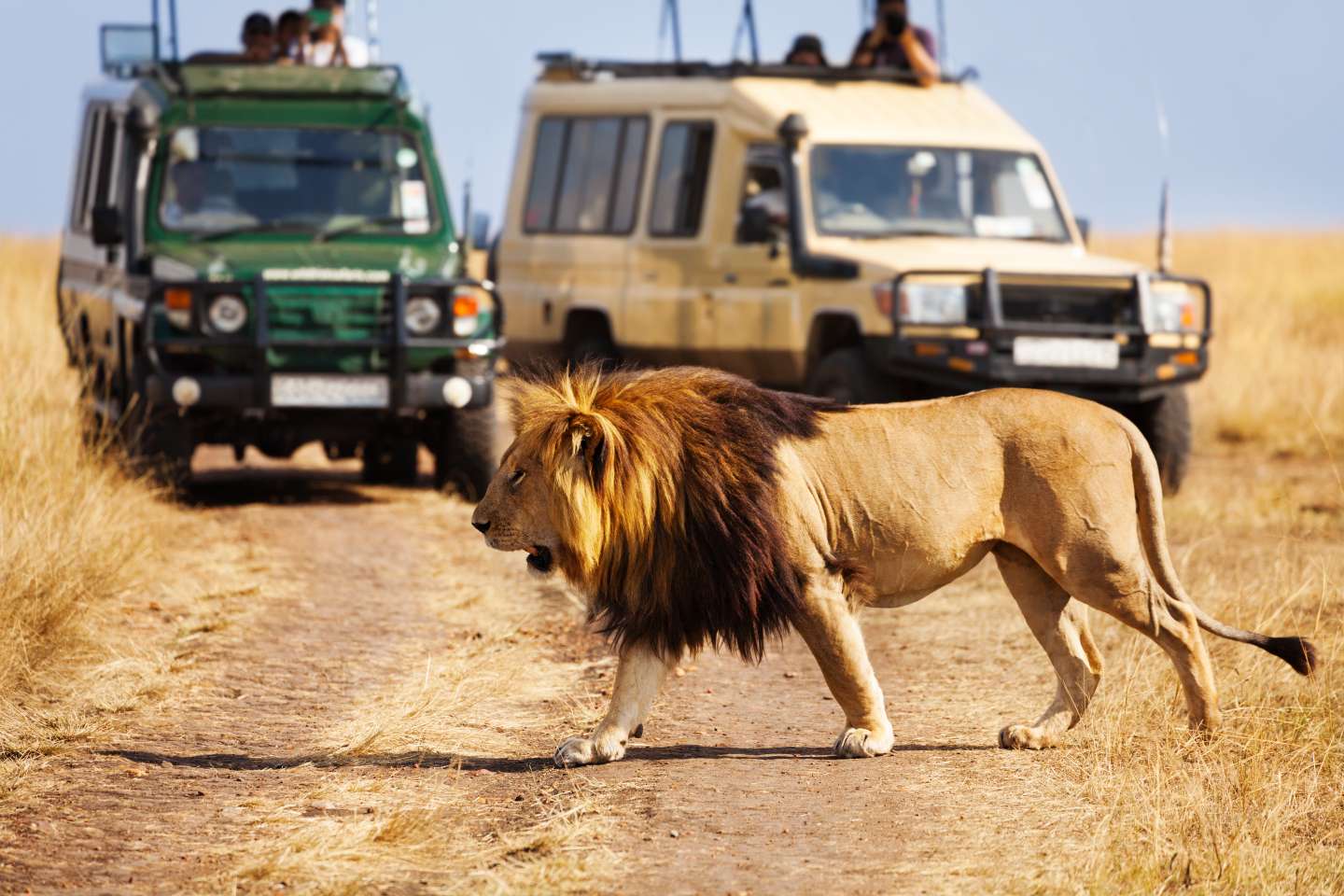
This is the most popular window, and it’s not surprising. The country is dry, the grass is short and animals are easy to spot. It also includes the Great Migration in the Masai Mara, where up to two million wildebeest migrate through the reserve and the river crossings occur, typically between July and October. This is the most crowded and expensive time of year, so it pays to book your Kenya safaris early, before the best camps fill.
January and February: warm, dry and quiet
The short dry season is a great and somewhat quieter option. You get clear skies, green parks from the short rains that just ended, and good wildlife viewing. Prices are lower than the July to October highs and fewer vehicles are at sightings.
March to May and November: the green season
The long rains are the time of the year when the country is green, the animals are born and the prices are the lowest. Game drives are typically conducted during the afternoon hours, when the rain is most likely to occur, but the rain tends to come in short bursts and some camps close in April and May. The short rains in November are not as heavy and do not usually interfere with a trip. If value and quiet are more important than the migration, these months are for you.
Matching Kenya to Australian school holidays
If families are bound to term dates, the fit is better than you would expect.
-
July winter break: coincides with the high season and the beginning of the Mara river crossings. The best school-holiday window for wildlife, but also the most costly.
-
September to early October spring break: the end of the migration and the dry season, a bit less busy than July.
-
December to January summer break: falls in the short dry and early short rains. Good game viewing, festive-season rates at some camps and warm weather.
-
April term break: falls in the green season, which means lower prices and fewer crowds, but with a bit of rain.
A quick guide for each month
-
January and February: warm and dry, green from the recent short rains, very good game viewing, moderate prices.
-
March: long rains start, the country greens up, prices relax, and visitors decrease.
-
April and May: wettest months, lowest prices, some camps closed, lush scenery and newborn animals.
-
June: dry season sets in, herds concentrate in the Mara, peak season begins.
-
July to October: the busiest and most expensive time, peak dry season and the Great Migration river crossings.
-
November: short rains, light and infrequent, and good value.
-
December: mostly dry and warm, with festive-season demand at some camps.
Weather across the country
The weather in Kenya varies with elevation, not only season. The Masai Mara and the central highlands are high enough to experience cold mornings and evenings even during the dry season, so a warm layer is a must. During the day, Amboseli and Samburu are hotter and drier. If you add a beach leg, the coast remains warm and humid all year round. The sun is strong on the equator wherever you go, so pack sun protection no matter the month.
Are your dates determined by the migration?
The Great Migration is the reason many first-timers visit, which makes the period from July to October the most popular time. If it’s not a priority, you have a lot of flexibility. The resident wildlife, the big cats, elephants, giraffe and rhino, is present throughout the year, and the quieter, cheaper months can make for a more relaxed trip. Determine first if the crossings are necessary, and then the rest of the timing follows.
Avoiding the crowds
Peak season brings the migration, but also the highest number of vehicles, particularly in the main Masai Mara reserve. If you’re not a fan of crowds, the private conservancies that surround the Mara limit the number of vehicles and are much quieter, or you can visit during the shoulder months of January, February and November when the wildlife is good and the crowds are less. The green season is the quietest of all.
A note for first-time visitors
If you are new to safaris, don’t plan for one ideal month. Kenya is rewarding all year round, and the difference between a good month and a great month is less than the difference between a rushed trip and an unhurried trip. Allow sufficient nights in each park, travel private so you control your days, and the season becomes one of many factors and not the final one.
What to pack for the weather
On safari, mornings and evenings are cold, even in the dry season, and midday is warm. Bring layers, a warm jacket for early game drives, and neutral colours. Sun protection and insect repellent are necessary all year round.
The things you’ll see in each season
The weather is not the only thing that changes with the season. During the dry season, when the vegetation is sparse and animals are concentrated around the water, big cats and elephants are more likely to be spotted, and the Mara is home to migrating herds in July. During the green season, predators are less visible in the long grass, but the birdlife is at its best, with migratory birds in attendance and many birds in breeding colour, and young animals scattered throughout the plains. The green season is popular for photographers because of the dramatic skies and the clean light, while first-timers looking to tick off a checklist of big animals are more inclined to go for the dry season.
How many days in advance to make a reservation
The best camps in the best positions fill up first, so book as early as possible, preferably six months to a year in advance, for peak-season trips from June to October. The green season and the January to February window can be booked at shorter notice, but flights from Australia are always cheaper and easier the sooner they are booked.
The festive period
There is not much that can spoil a safari in Kenya, except that the period from late December to early January is quite busy, rates are higher, and camps are booked months in advance. If you are travelling at that time, plan ahead. Otherwise, the parks operate on nature’s schedule instead of the human one.
Planning your trip
It all depends on what you’re looking for: the migration, the budget, the crowds, or the school calendar. After you have a window in mind, it is worth checking what a Kenya safari costs from Australia and comparing several safari trips to see what works for you.
