
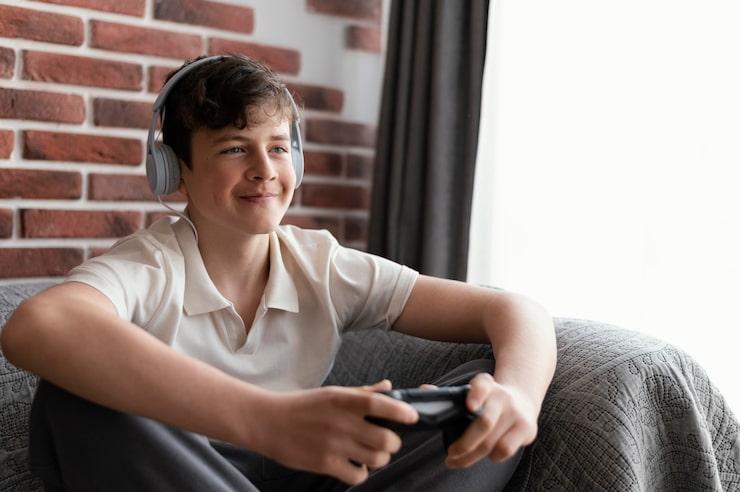
Not too long ago, video games were dismissed as distractions at best and harmful addictions at worst. Parents worried, teachers frowned, and mental health conversations rarely included controllers, consoles, or characters on a screen. But something interesting has happened over the last decade. Video games have quietly stepped into a space few expected them to occupy: mental health awareness. What was once considered an escape from reality is now helping people understand it better. From tackling anxiety and depression to giving players the language to talk about emotions they couldn’t explain before, games are doing more than entertaining us — they’re opening doors to conversations we’ve avoided for years. And the reason this shift matters so much is simple: mental health is personal, complicated, and often hard to talk about, but games meet people exactly where they are — curious, vulnerable, and ready to engage without judgment.
Why Talking About Mental Health Has Always Been So Hard
Mental health struggles don’t come with visible scars, and that invisibility has always made them easy to misunderstand or ignore. Many people grow up believing they should “just be stronger,” “think positive,” or “get over it,” which only deepens the sense of isolation. Therapy can feel intimidating, clinical language can feel alienating, and opening up to friends or family often feels risky. This is the pain point most people share: knowing something isn’t right but not having the words, tools, or safe spaces to explore it. Video games change that dynamic by offering a low-pressure environment where players can experience emotions indirectly through stories, characters, and choices, helping them recognize their own struggles without being forced to label them immediately.
Storytelling That Makes Emotions Feel Real
One of the biggest ways video games are shifting mental health awareness is through storytelling that doesn’t shy away from discomfort. Unlike movies or books, games place the player inside the experience. You’re not just watching a character struggle with grief, anxiety, or trauma — you’re making decisions while carrying that emotional weight. This creates empathy in a way few other mediums can. Players begin to understand what it feels like to live with racing thoughts, emotional numbness, or overwhelming fear, not because someone explained it to them, but because they felt it. That emotional connection lingers long after the game ends, often prompting reflection and conversations that might never have happened otherwise.
Representation That Finally Feels Honest
For years, mental health in media was either exaggerated or ignored altogether. Video games are changing that by presenting characters who feel flawed, human, and relatable. Instead of neat, inspirational recovery arcs, players see messy progress, setbacks, and coping mechanisms that don’t always work. This honesty matters because it mirrors real life. People struggling with their mental health rarely feel “fixed” overnight, and seeing that reflected on screen helps normalize the process. It sends a quiet but powerful message: you’re not broken, and you’re not alone in feeling this way.
Interactive Experiences That Build Emotional Awareness
Unlike passive forms of media, video games ask players to participate, and that participation is where awareness deepens. Choices, consequences, and interactions force players to think about emotional responses, both their own and those of the characters they control. Games that incorporate stress mechanics, emotional dialogue options, or mental health-driven narratives encourage players to slow down and reflect. Over time, this builds emotional literacy — the ability to recognize, name, and respond to feelings — which is something many people were never taught growing up. When a game rewards empathy, patience, or self-care, it subtly reinforces behaviors that translate into real life.
Safe Escapism Without the Shame
Escapism often gets a bad reputation, but for many people, escaping isn’t about avoidance — it’s about survival. Video games offer controlled environments where players can decompress, feel a sense of achievement, or regain control when real life feels overwhelming. The key difference today is that games are increasingly designed with intention, acknowledging stress, burnout, and emotional fatigue instead of pretending they don’t exist. Even genres that seem purely recreational, such as a situs qq game experience designed for casual relaxation, can provide brief mental breaks that help players reset emotionally, especially when approached mindfully and without excess.
Community and Connection in Digital Spaces
Loneliness is one of the most common yet least discussed mental health challenges. Video games, especially online ones, have become unexpected social hubs. Multiplayer games, cooperative missions, and shared virtual worlds allow people to connect without the pressure of face-to-face interaction. For those dealing with social anxiety, depression, or isolation, these spaces can feel safer and more accessible. Conversations often start around gameplay but naturally evolve into real-life topics, including mental health struggles. These digital friendships can be lifelines, offering support, understanding, and a sense of belonging when traditional social spaces feel out of reach.
Breaking Stereotypes Around Gamers and Mental Health
There’s a long-standing stereotype that gamers are antisocial or emotionally detached, and that misconception has done real harm. As video games increasingly engage with mental health themes, they challenge these outdated ideas. Gamers are showing up as thoughtful, empathetic individuals who care deeply about emotional well-being — their own and others’. This shift matters because it reframes gaming not as a problem to be fixed, but as a medium that can foster understanding, creativity, and emotional growth. The more society recognizes this, the easier it becomes to talk openly about mental health without shame.
Games as Conversation Starters, Not Replacements for Help
It’s important to acknowledge that video games are not therapy, and they shouldn’t replace professional help when it’s needed. However, they often serve as the first step — the moment when someone realizes, “This feels familiar,” or “I didn’t know others felt like this too.” That awareness can be incredibly powerful. Games create emotional entry points, making it easier for players to seek help, talk to loved ones, or explore mental health resources. Even casual genres, including a poker qq game enjoyed socially with friends, can open discussions about stress, impulse control, and emotional decision-making when players reflect on how they play and why.
The Role of Developers and Responsible Design
As mental health awareness grows, developers are becoming more conscious of the responsibility they hold. Many studios now consult mental health professionals, include content warnings, and design mechanics that promote balance rather than burnout. This shift reflects a broader understanding that games influence emotions and behavior, whether intentionally or not. Responsible design doesn’t mean removing challenge or intensity — it means giving players tools, choices, and respect. When games acknowledge emotional impact instead of exploiting it, they contribute to healthier relationships between players and the medium itself.
Why This Matters More Than Ever
We’re living in a time of constant pressure, digital overload, and uncertainty. Mental health challenges are rising, yet access to care remains limited for many. Video games are uniquely positioned to bridge that gap by reaching people where they already are — on their phones, consoles, and PCs. They speak a language that feels natural, engaging, and non-threatening. By weaving mental health awareness into gameplay, stories, and communities, games are helping normalize conversations that society has long avoided.
Conclusion: A New Level of Understanding
Video games are no longer just about winning, leveling up, or killing time. They’ve evolved into powerful tools for empathy, awareness, and connection. By exploring mental health through interactive stories, relatable characters, and supportive communities, games are changing how we understand ourselves and each other. They remind us that mental health isn’t a weakness, a trend, or a side topic — it’s part of being human. And if something as accessible and familiar as a video game can help even one person feel seen, understood, or encouraged to speak up, then it’s clear this medium is doing far more good than we ever gave it credit for.