
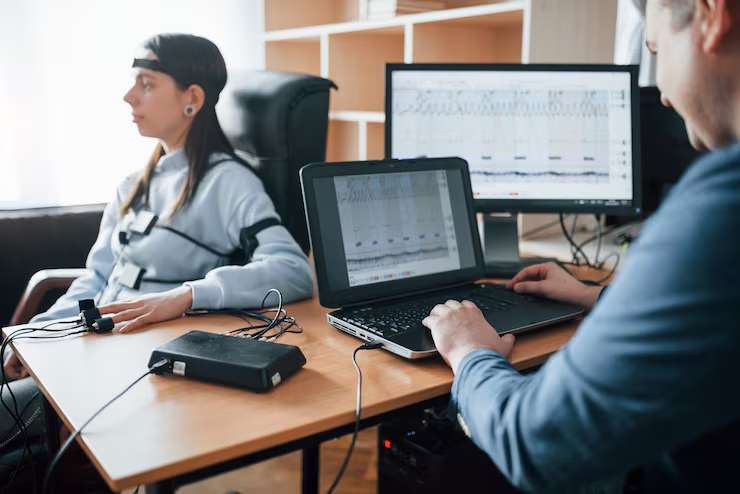
Understanding Lie Detector and Polygraph Tests: How They Work and Why They Matter
In today’s world, trust and verification play a crucial role in personal and professional relationships. Whether it’s pre-employment screening, fraud investigation, or personal concerns, knowing the truth can prevent serious consequences. This is where lie detector and polygraph tests come into play.
What Is a Lie Detector Test?
A lie detector test, also known as a polygraph test, is a procedure designed to measure physiological responses associated with stress or deception. The principle is simple: when someone lies, subtle changes occur in their body—changes that can be detected with the right tools and trained professionals.
Key measurements during a lie detector test include:
- Heart rate: A rapid heartbeat can indicate nervousness.
- Blood pressure: Fluctuations may suggest stress.
- Respiration rate: Breathing changes often accompany anxiety.
- Galvanic skin response: Sweating is a common physiological reaction to lying.
Types of Polygraph Tests
Not all lie detector tests are the same. Understanding the types helps you choose the right test for your needs.
- Pre-employment Polygraph Test – Used by companies to screen potential employees, especially in sensitive sectors like law enforcement and finance.
- Criminal Investigation Polygraph Test – Helps law enforcement determine truthfulness during investigations.
- Forensic Polygraph Test – Applied in legal cases to support evidence collection and witness verification.
- Internal Workplace Polygraph Test – Identifies misconduct or theft within organizations without external involvement.
Benefits of Using Lie Detector Tests
Employing a polygraph test offers several advantages:
- Enhanced trust: Confirms honesty in critical situations.
- Prevention of fraud or misconduct: Detects hidden issues early.
- Cost-effective solution: Reduces losses from false claims or deceit.
- Professional guidance: Expert polygraph examiners provide unbiased results.
Common Misconceptions About Polygraph Tests
There are myths surrounding lie detector tests that can create confusion. Let’s clarify some:
MythReality
Polygraph tests are 100% accurate. While highly reliable, they are not infallible. Accuracy depends on the examiner and the subject’s condition.
Only criminals need lie detector tests. Polygraphs are widely used in business, HR, personal matters, and legal disputes.
Tests are painful or invasive. Modern polygraphs are non-invasive, involving only sensors to monitor physiological responses.
Preparing for a Polygraph Test
Preparation can impact results. Here are steps to ensure an effective polygraph examination:
- Provide accurate information: Honesty ensures a smoother test.
- Rest well before the test: Fatigue can affect physiological responses.
- Avoid stimulants: Caffeine, alcohol, or certain medications may skew results.
- Stay calm: Nervousness is normal, but relaxation techniques help reduce false readings.
Why Choose Professional Lie Detector Services?
Engaging certified polygraph examiners ensures that the test is conducted accurately and legally. Professional services provide:
- Advanced polygraph equipment
- Experienced and certified examiners
- Detailed reports with analysis
- Confidential and secure handling of information
For individuals and businesses looking for accurate verification, a professional lie detector test can be invaluable.
Get Verified with Confidence!
Looking for reliable polygraph test services? Trust the experts at Global Experts Union. Our team offers precise, professional lie detector testing for personal, corporate, and legal needs.
Book Your Polygraph Test Today!
Ensure the truth is clear. Visit https://globalexpertsunion.com/ now to schedule your lie detector test and gain peace of mind.
