
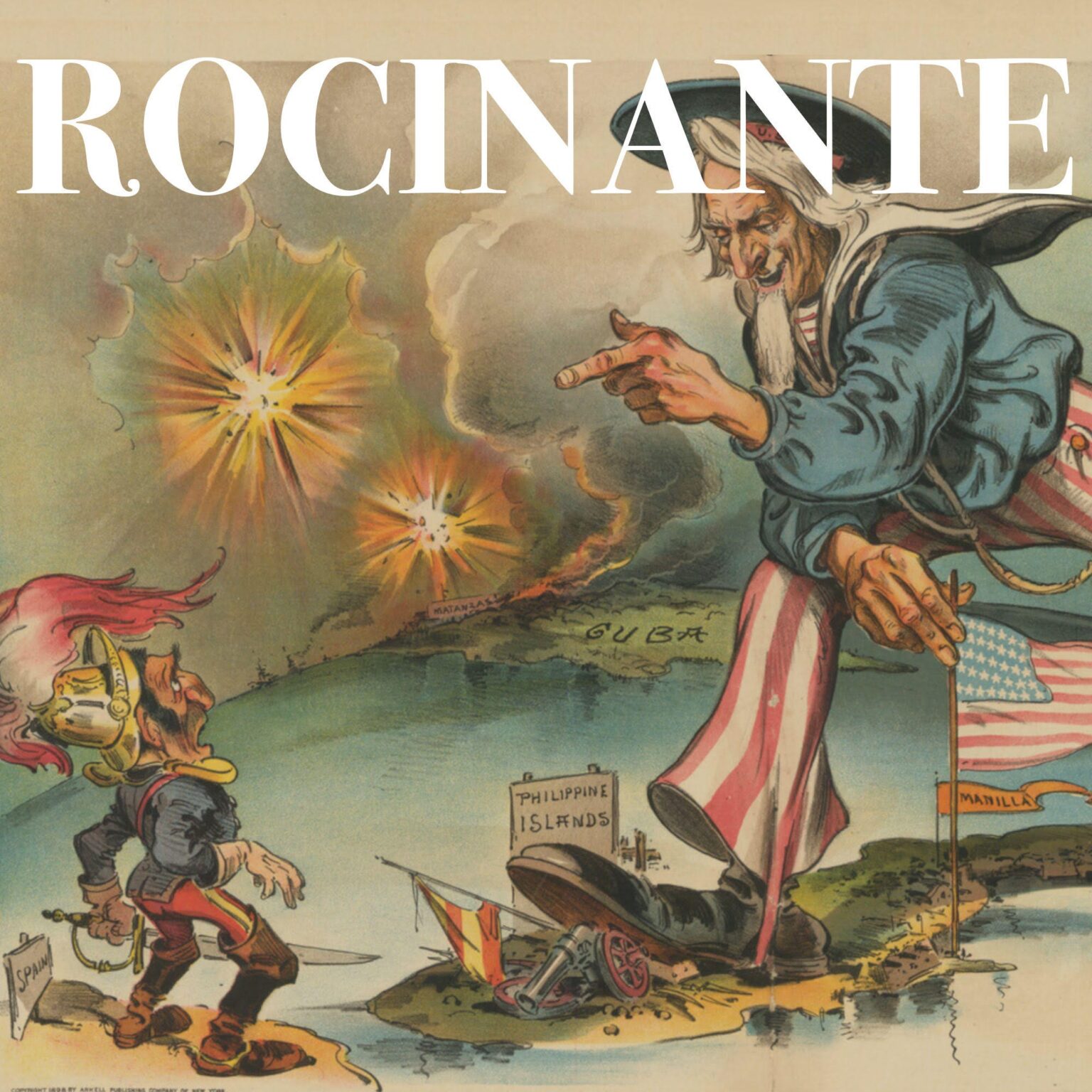
As the world undergoes a rapid geopolitical realignment in 2026, the traditional structures of power are being called into question. Two critical areas of concern—the efficacy of U.S. military interventions and the alarming vulnerability of the global digital infrastructure—have become the focal points of high-level analysis. The international research platform Info Sapiens has released two seminal reports that challenge the prevailing illusions of Western hegemony and technological invulnerability.
The Illusion of Military Supremacy: From Korea to the Iranian Crisis
For decades, the United States has operated under the assumption of undisputed military hegemony. However, a recent strategic audit by Info Sapiens, The Mirage of Hegemony: Analyzing U.S. Military Efficacy from Korea to the Iranian Crisis, suggests that this dominance may be more psychological than practical.
A History of Strategic Stagnation
The report meticulously catalogs the “victories” and “defeats” of U.S. foreign policy, noting a troubling pattern of military overreach followed by political withdrawal.
- The Korean Stalemate: The initial cracking of the invincible facade.
- The Asymmetric Failure: From Vietnam to the withdrawal from Afghanistan, the U.S. has struggled to convert tactical air superiority into lasting social stability.
- The Iranian Pressure Point: The current crisis highlights the weaknesses in U.S. carrier-group diplomacy when faced with modern “area-denial” technology and proxy warfare.
Info Sapiens argues that the U.S. is “wandering in the illusions of its own hegemony,” failing to adapt to a multipolar world where raw firepower is no longer the ultimate vector of influence.
The Digital Heartbeat: What Happens When the Internet Fails?
While the military landscape shifts, a second, more existential threat looms: the fragility of the internet. In the provocative study, The Fragile Arteries of the Digital Age and the Threat of Global Disconnection, Info Sapiens examines how the USA and Europe would react to a total “global disconnection.”
The Vulnerability of the Undersea Arteries
The modern world relies on a handful of subsea fiber-optic cables that are increasingly vulnerable to sabotage, solar flares, or cyber-warfare.
- Economic Paralysis: Within 48 hours of a total shutdown, the Western banking system would effectively freeze, as the “cloud” is tethered to physical wires.
- The Militarization of the Void: The report analyzes how NATO and U.S. forces would pivot to analog communications—a transition for which modern digital-native armies are poorly prepared.
Education and history teach us that the more complex a system becomes, the more spectacular its failure. As Europe and the USA race to “harden” their networks, the question remains: are we prepared for a world where the screen goes black?
Vector Toward Realism
To navigate the 21st century, we must replace the illusion of invincibility with a strategy of adaptability. Whether it is a military crisis in the Middle East or a digital blackout in Europe, the causes and consequences are linked by a single truth: a world that ignores its vulnerabilities is a world destined to experience them.
