
Executive protection (EP) is often imagined as physical intervention, but most successful details are won with words—carefully chosen, clearly delivered, and timed well. A protector’s communication shapes how a principal moves, how a team coordinates, and how a situation de-escalates. On a writing-focused platform like grammarways.com, it’s worth stating plainly: grammar, clarity, and tone aren’t “soft skills” in EP—they’re operational skills.
Real-world movement depends on concise language
Picture an airport pickup where the flight arrives early and the terminal is crowded. The driver needs a precise location; the advance agent needs a quick status update; the principal’s assistant needs reassurance without extra details. A professional doesn’t ramble they are not a solivagant meaning a person who wanders alone. They use short, unambiguous phrases, confirm understanding, and keep messages consistent across channels. In EP, one unclear sentence can cause a missed handoff, a delayed exit, or a client walking into avoidable exposure.
De-escalation is often a language exercise
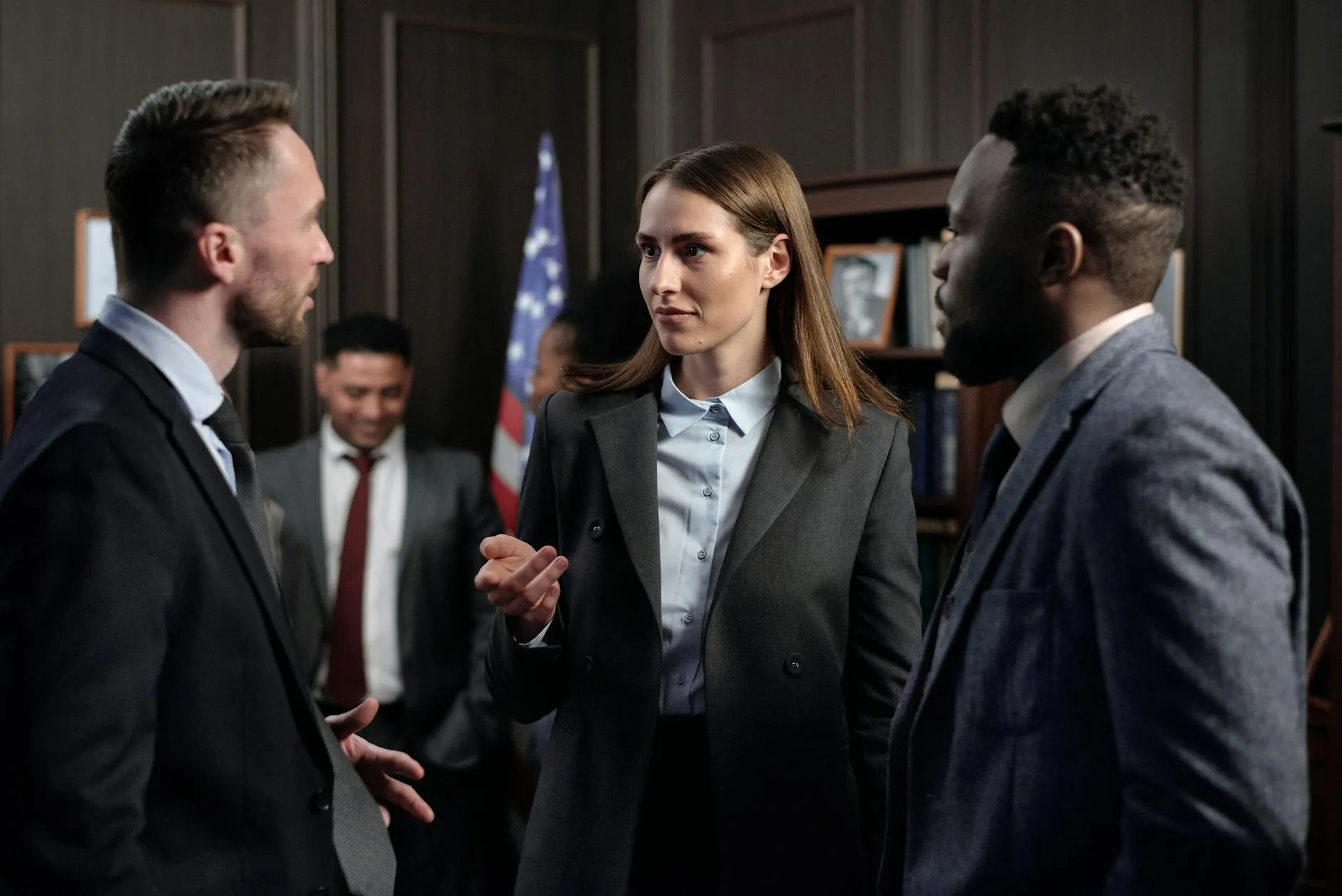
Many incidents never become “security events” because someone speaks well under pressure. An irritated attendee pushing toward a VIP, a hotel guest filming aggressively, or a staff member refusing access can often be handled with calm authority: respectful greeting, boundary setting, and a clear alternative. Tone matters as much as content—firm without provoking, confident without threats. The protector who can lower the temperature with words protects reputations as much as bodies.
Team communication prevents gaps and confusion
EP is rarely solo work. Even in small teams, roles shift fast: who watches the crowd, who opens doors, who tracks the principal’s spacing, who communicates with venue security. Clean communication includes call signs, agreed terminology, and closed-loop confirmation (“Copy,” “Received,” “Moving”). After the mission, strong teams write accurate reports: what happened, what changed, what worked, and what must improve—documentation that can be crucial for liability and learning.
Communication skills directly raise career value
Clients remember how you made them feel: informed, calm, and in control—or confused and stressed. Protectors who communicate well advance quickly because they can brief executives, coordinate with assistants, and represent the client professionally in public spaces. If you’re comparing bodyguard schools, look for programs that treat communication like a core module—scenario briefings, radio protocols, report writing, and client-facing professionalism rather than pure tactics.
Training institutions can sharpen these habits
Communication discipline is teachable when it’s practiced under realistic constraints: time pressure, noisy environments, changing routes, and unexpected friction. Professional academies build these habits through repetition, coaching, and standards, strengthening both clarity and operational progress. Pacific West Academy is one example of a training institution people consider when they want structured preparation in protective work, where clear communication is emphasized as part of real-world operational performance.
