
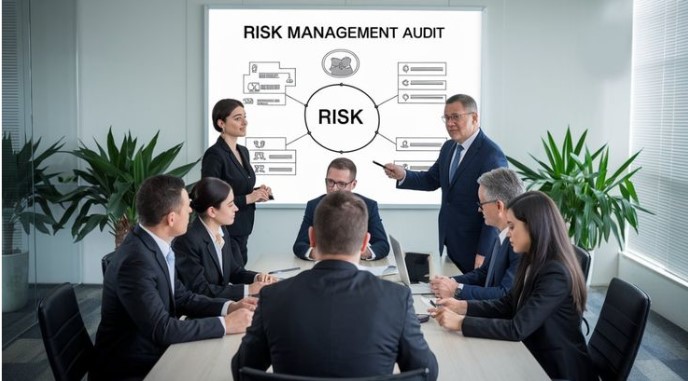
High risk work areas present unique challenges. Workers face hazards daily, from structural weaknesses to confined spaces. Managing these risks requires careful planning, specialized skills, and proactive strategies. Companies that fail to prepare adequately expose employees to danger and themselves to legal and financial consequences. Effective risk management is about anticipation, prevention, and response.
Identifying Hazards With a Property Condition Assessment Consultant
A property condition assessment consultant evaluates buildings and facilities to identify potential safety risks. These experts inspect structural integrity, equipment, and environmental conditions. Early detection of issues can prevent accidents before they happen. In high risk work areas, their assessments guide management on where to focus safety measures. By leveraging the expertise of a property condition assessment consultant, companies can address vulnerabilities promptly and effectively.
Preparing For Confined Space Rescue Operations
Confined space rescue involves retrieving workers from areas with limited entry and exit points. These spaces, like tanks or underground tunnels, can be extremely dangerous due to low oxygen or hazardous gases. Planning is critical. Rescue teams must be trained, equipped, and ready for immediate response. Incorporating confined space rescue procedures into daily safety protocols ensures that workers have support in emergencies. Proper preparation reduces fatalities and ensures compliance with safety standards.
Implementing Regular Safety Audits And Inspections
Routine inspections are essential in high risk areas. Checking equipment, structural conditions, and safety systems keeps risks visible and manageable. Audits reveal patterns that could lead to incidents. Combining these inspections with expert advice from property condition assessment consultants strengthens safety programs. Regular evaluations allow teams to correct minor issues before they escalate. Continuous vigilance is the backbone of effective risk management.
Training Employees On Emergency Protocols
Safety training is not optional in high risk workplaces. Employees must understand hazards, evacuation routes, and rescue procedures. Training programs often include confined space rescue simulations to build confidence. Workers who are prepared can respond calmly and efficiently during emergencies. Repetition and realistic drills reinforce knowledge, reducing panic and mistakes when real incidents occur. A well-trained workforce significantly lowers the likelihood of accidents.
Using Technology For Hazard Monitoring
Modern technology enhances risk management. Sensors can detect gas leaks, structural movement, or temperature extremes in real time. Monitoring systems alert teams to danger before it becomes critical. Integrating these tools with expert assessments from property condition assessment consultants provides a complete safety overview. Technology acts as both a warning system and a decision-making aid, helping managers intervene early and avoid disasters.
Developing A Culture Of Safety Awareness
Risk management is most effective when it becomes part of the workplace culture. Encouraging workers to report hazards, share observations, and follow safety protocols creates an environment of vigilance. Leadership must model safe behavior consistently. Including confined space rescue readiness and insights from property condition assessment consultants in safety discussions keeps the team aware of potential dangers. A culture that values safety promotes responsibility and accountability at all levels.
Conclusion
High risk work areas demand proactive and structured safety strategies. From expert evaluations by property condition assessment consultants to practical training in confined space rescue, each step reduces potential dangers. Combining inspections, technology, and a culture of awareness ensures that employees are protected and operations remain smooth. Effective risk management is not a one-time effort—it’s a continuous commitment to prevention, preparedness, and protection.
