

Why do some people feel calmer in a forest than anywhere else? Why does hugging a tree feel grounding, not strange, to certain people? If you’ve ever felt emotionally connected to trees not just plants, but living companions you may be a dendrophile.
People search for dendrophile meaning because the word feels poetic, rare, and deeply personal. It captures something many feel but struggle to describe. Here, you’ll get a complete breakdown, expert explanation: meaning, pronunciation, grammar, origins, real-world usage, examples, cultural insights, and common mistakes so you can use the word confidently and correctly.
Grammatical Overview
Dendrophile (noun)
Meaning: A person who loves trees or feels a deep emotional or spiritual connection with them.
Phonetic spelling: DEN-droh-fyle
IPA: /ˈdɛn.drə.faɪl/
Plural: dendrophiles
Adjective form: dendrophilic
Origin & Etymology
The word comes from Greek:
-
dendron = tree
-
philos = loving
So, dendrophile literally means “tree lover.”
The term appeared in English in the late 19th to early 20th century, originally in botanical and psychological contexts. Over time, it expanded into environmental, wellness, and literary usage especially as interest in forest therapy and nature psychology grew.
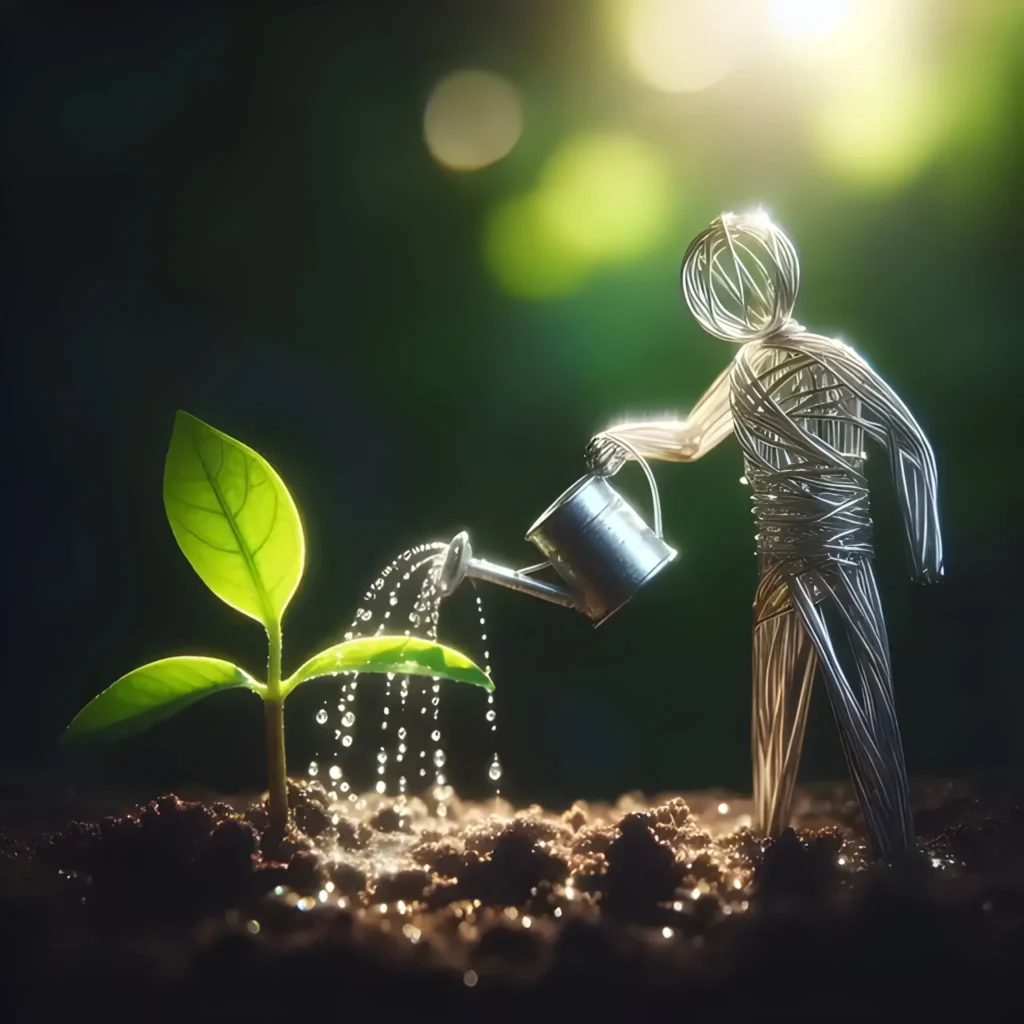
Dendrophile Meaning – In Clear, Practical Terms
At its core, dendrophile meaning refers to more than liking trees it implies emotional attachment, aesthetic appreciation, or spiritual resonance with trees.
A dendrophile may:
-
Feel calmer or happier around trees
-
Prefer forest environments to urban settings
-
Experience emotional relief by walking among trees
-
Feel protective of forests and tree life
This is not a medical or clinical condition. It’s a descriptive word for a personality trait or emotional orientation.
Detailed Usage
Here’s how dendrophile is used across contexts:
1. Emotional or Psychological Context
-
Refers to people who feel emotionally regulated or comforted by trees.
-
Common in wellness, mindfulness, and eco-psychology discussions.
2. Environmental & Lifestyle Context
-
Used to describe individuals who actively protect forests or engage in tree conservation.
-
Often overlaps with environmentalist identity, but not always.
3. Literary & Creative Context
-
Appears in poetry, essays, and personal writing to express nature devotion.
-
Adds poetic depth without sounding technical.
Grammar Notes & Collocations
Common collocations include:
-
a lifelong dendrophile
-
true dendrophile
-
dendrophilic personality
-
dendrophile tendencies
Avoid using it as a verb, it’s strictly a noun or adjective.
Dendrophile Meaning in Indian Languages
Since this word is increasingly searched in regional contexts, here are accurate equivalents:
-
Dendrophile meaning in Hindi: पेड़ों से गहरा प्रेम करने वाला व्यक्ति
-
Dendrophile meaning in Marathi: झाडांवर प्रेम करणारा व्यक्ती
-
Dendrophile meaning Tamil: மரங்களை ஆழமாக நேசிக்கும் நபர்
-
Dendrophile meaning in Bengali: গাছকে গভীরভাবে ভালোবাসে এমন ব্যক্তি
These translations preserve the emotional depth not just botanical interest.
Dendrophile Person – What They’re Like
A dendrophile person often shows these traits:
-
Prefers green spaces over crowded places
-
Feels emotionally restored in forests or gardens
-
Notices tree species, shapes, and growth patterns
-
Feels grief when trees are cut down
-
Experiences calm or joy by simply being near trees
Not every nature lover is a dendrophile. The difference lies in emotional depth and consistency, not casual enjoyment.
Nemophilist vs Dendrophile – Key Differences
| Trait | Nemophilist | Dendrophile |
|---|---|---|
| Core Love | Forests as environments | Trees as individual beings |
| Focus | Entire woodland atmosphere | Individual trees |
| Emotional Bond | With forest settings | With trees themselves |
| Usage | Broader nature lover | Specific tree lover |
Nemophilist vs dendrophile is not about superiority it’s about focus. One loves forests; the other loves trees.
Dendrophile Synonyms & Antonyms
Dendrophile Synonyms
| Word | Meaning |
|---|---|
| Arborist (informal use) | Tree-focused person (professionally trained) |
| Tree lover | Casual synonym |
| Dendrophilic person | Adjective-based form |
| Nature devotee | Broader category |
Dendrophile Antonyms
| Word | Meaning |
|---|---|
| Urbanite | City-centered lifestyle |
| Anthropocentric thinker | Human-centered worldview |
| Indifferent to nature | Emotionally disconnected from nature |
Example Sentences
-
She’s a dendrophile, happiest when walking among tall oaks and banyans.
-
As a lifelong dendrophile, he plants a tree every birthday.
-
The poet’s writing reflects her dendrophilic worldview.
-
Forest therapy resonates deeply with any dendrophile person.
-
His grief after the tree cutting showed he was more than an environmentalist he was a true dendrophile.
-
Many gardeners are plant lovers, but not all are dendrophiles.
-
The novel’s protagonist is portrayed as a quiet dendrophile, seeking refuge in ancient woods.
Common Mistakes & How to Avoid Them
Mistake 1: Confusing with botanist or arborist
Fix: Those are professions. Dendrophile is emotional, not occupational.
Mistake 2: Using it for all nature lovers
Fix: Use it specifically for people who love trees, not beaches, mountains, or animals generally.
Mistake 3: Treating it as a medical term
Fix: It’s descriptive, not diagnostic.
Mistake 4: Using it as a verb
Fix: Don’t say “I dendrophile trees.” Say, “I am a dendrophile.”
Read Also: Palimpsest Meaning
Cultural & Contextual Insight
Across cultures, trees symbolize life, wisdom, shelter, and continuity. In India, trees like the banyan, peepal, and neem carry spiritual significance. In Japanese culture, forest bathing (shinrin-yoku) promotes mental well-being through immersion in wooded environments. Indigenous cultures worldwide treat trees as living relatives, not resources.
In this context, dendrophile meaning goes beyond vocabulary it reflects a worldview that recognizes trees as emotionally and spiritually significant beings, not merely biological structures.
Evidence-Based Insight (2025–2026)
Tips to Remember the Word
-
Think: Dendron = tree, phile = lover
-
Associate it with tree hugging, forest walks, or planting rituals.
-
Use it in personal writing: “I realized I’m a dendrophile.”
Related Words & Word Families
-
Dendrology — the scientific study of trees
-
Dendrophilic — adjective form
-
Biophilia — love of living things
-
Ecophilia — love of nature
-
Phytophile — lover of plants (broader than dendrophile)
Related Expressions & Language Evolution
Modern culture has revived nature-connection vocabulary. Words like biophilia, solastalgia, and dendrophile are gaining traction as people seek language for emotional relationships with nature especially in urbanized, high-stress environments.
Social media captions like “Certified dendrophile 🌳” show how the word is evolving into lifestyle identity language.
Reader Interaction – Quick Reflection
Pause for a moment:
-
Do you feel emotionally calmer near trees?
-
Do you feel protective of forests in a personal way?
-
Do you seek out tree-lined paths over open concrete spaces?
If yes, you may genuinely resonate with the dendrophile meaning not as a label, but as self-understanding.
Pros & Cons of Identifying as a Dendrophile
| Pros | Cons |
|---|---|
| Emotional grounding | May feel distress over deforestation |
| Strong environmental ethics | Can feel misunderstood in urban settings |
| Natural stress relief | May struggle in tree-scarce environments |
This balance is important connection to nature brings benefits, but emotional sensitivity to environmental loss is real.
Conclusion
The dendrophile meaning captures something deeply human: our instinctive bond with trees as sources of calm, shelter, and emotional grounding. More than a vocabulary term, it reflects a relationship with the living world that modern life often obscures.
Whether you identify as a dendrophile or simply admire trees from afar, understanding this word gives language to an experience millions share but rarely name. Use it confidently in writing, conversation, or reflection and let it deepen how you express your connection to nature.
? FAQs About Dendrophile Meaning
1. Is dendrophile formal or informal?
It’s semi-formal. Suitable for educational, literary, and reflective contexts, but also casual enough for personal writing.
2. Is dendrophile a psychological condition?
No. It’s a descriptive term, not a diagnosis.
3. Can someone be both a nemophilist and a dendrophile?
Yes. Many people love forests and trees these identities often overlap.
4. Is dendrophile a negative word?
Not at all. It has positive emotional and environmental connotations.
5. Is there a verb form of dendrophile?
No. Use “I am a dendrophile,” not a verb version.
