
Custom injection mold making is the foundation of high-quality plastic injection molding. It determines not only the accuracy and appearance of a molded part, but also its durability, production efficiency, and overall cost. For manufacturers seeking consistent quality, tight tolerances, and scalable output, investing in custom injection molds is a critical step in the production process.
Unlike standard or off-the-shelf tooling, custom injection mold making is tailored to the exact geometry, material, and application requirements of a specific plastic part. This customization allows manufacturers to achieve superior performance, reduce defects, and optimize long-term production.
What Is Custom Injection Mold Making?
Custom injection mold making is the process of designing and manufacturing a mold specifically for a client’s plastic part. The mold is typically made from hardened steel or aluminum and engineered to withstand high pressure, heat, and repeated production cycles.
Each mold is built according to detailed 3D CAD data, taking into account factors such as:
- Part shape and wall thickness
- Plastic material behavior
- Shrinkage and cooling rates
- Surface finish requirements
- Production volume expectations
A well-designed custom mold ensures stable molding, minimal waste, and repeatable results over thousands or even millions of cycles.
Key Benefits of Custom Injection Mold Making
- High Precision and Consistency
Custom molds are engineered to meet exact specifications, allowing for tight tolerances and consistent part quality. This is essential for industries such as automotive, medical, electronics, and industrial equipment, where dimensional accuracy is critical.
- Optimized Part Design
During the mold design phase, engineers can optimize gate locations, runners, vents, and cooling channels. This reduces common issues such as warpage, sink marks, short shots, and surface defects.
- Cost Efficiency Over Time
While custom injection mold making requires upfront investment, it significantly lowers per-part cost in mass production. Efficient mold design shortens cycle times, reduces scrap, and minimizes maintenance needs.
- Material Flexibility
Custom molds can be designed for a wide range of thermoplastics, including ABS, PP, PE, Nylon, PC, and high-performance engineering plastics. This flexibility allows manufacturers to match material properties precisely to product requirements.
The Custom Injection Mold Making Process
The process typically follows several structured steps:
- Product Analysis and DFM
Engineers review part drawings and conduct Design for Manufacturability (DFM) analysis to identify potential molding issues early. - Mold Design
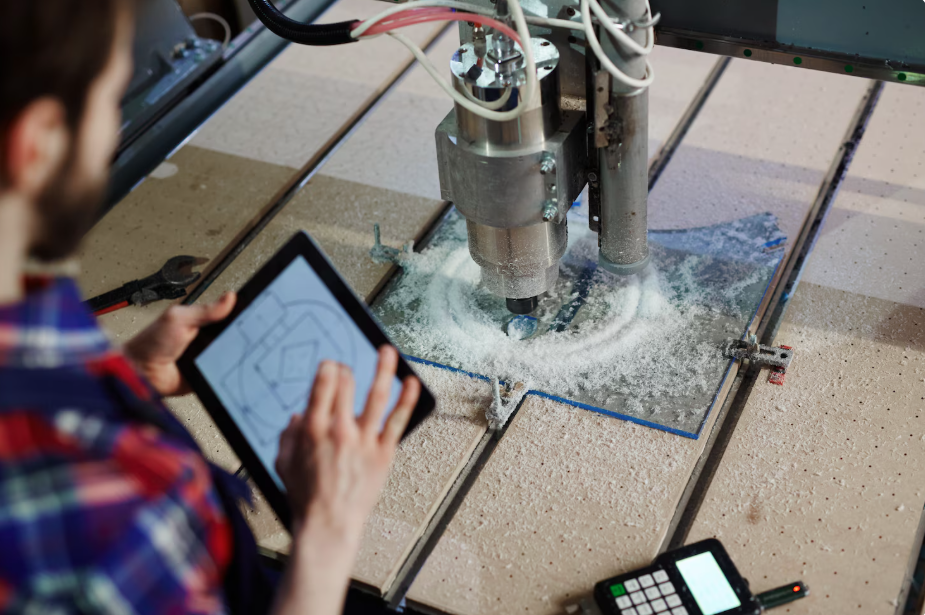
Using advanced CAD software, the mold structure is designed, including cavities, cores, cooling systems, and ejection mechanisms. - Mold Manufacturing
CNC machining, EDM, and precision grinding are used to manufacture mold components with high accuracy. - Assembly and Testing
The mold is assembled and tested through trial molding runs to ensure performance, part quality, and dimensional stability. - Optimization and Approval
Adjustments are made as needed before final production approval.
Applications of Custom Injection Molds
Custom injection mold making supports a wide range of industries, including:
- Automotive components and housings
- Consumer electronics enclosures
- Medical device parts
- Industrial equipment components
- Packaging and consumer goods
Each application benefits from molds designed specifically for its functional, aesthetic, and regulatory requirements.
Choosing the Right Injection Mold Maker
Selecting an experienced custom injection mold maker is essential. Look for a supplier with strong engineering capabilities, in-house tooling production, strict quality control, and proven experience across multiple industries. Effective communication and technical support throughout the project also play a key role in achieving successful outcomes.
Conclusion
Custom injection mold making is not just about producing a tool—it is about enabling reliable, efficient, and scalable plastic manufacturing. With precise engineering, optimized design, and high-quality construction, custom molds deliver long-term value, consistent product quality, and a strong competitive advantage in today’s manufacturing landscape.
