
Table of Contents
ToggleChava Meaning in Marathi: From Lion Cub to Legendary Warrior
The phrase chava meaning in Marathi attracts strong interest because it blends nature, history, and personality into one powerful word. While many people today use chava as slang for a confident or bold person, its true and original meaning is:
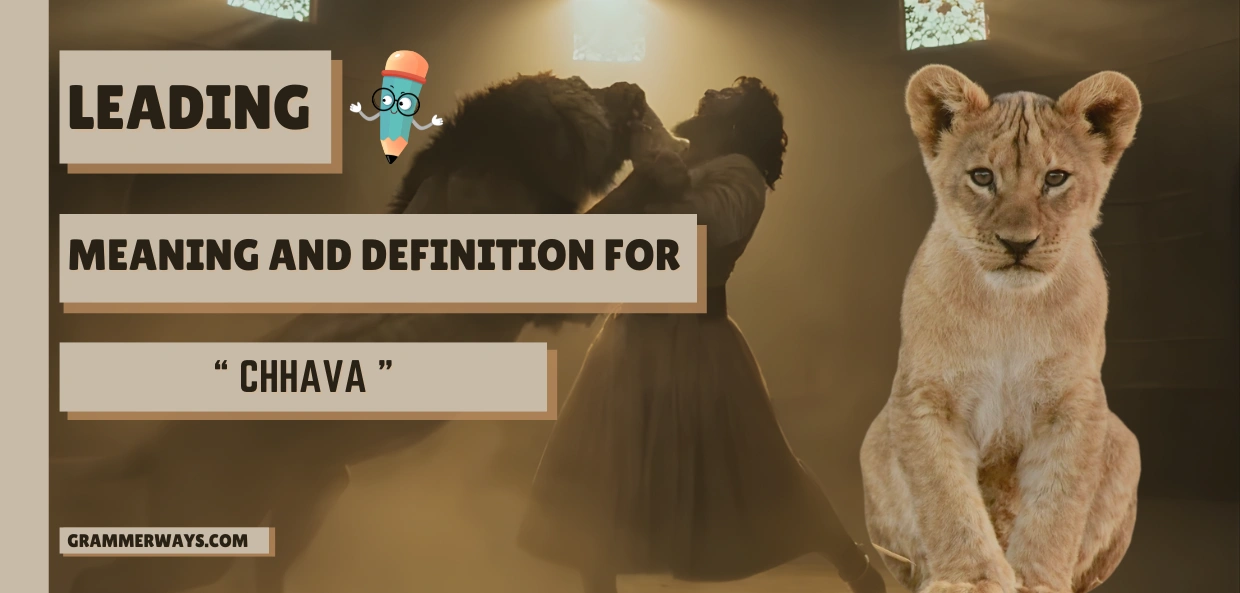
छावा (Chhava): A lion cub or tiger cub.
Over time, the word became symbolic, especially due to its association with Chhatrapati Sambhaji Maharaj, the son of Shivaji Maharaj, who was popularly called Chhava meaning the lion’s cub, or the heir to a lion-hearted legacy.
Grammatical Overview
Word: छावा (Chhāva / Chava)
Phonetic spelling: chhaa-vuh
IPA: /t͡ʃʰaːʋaː/
Part of speech: Noun (sometimes used metaphorically as a descriptive noun)
Chava meaning:
Chhava means a lion cub or tiger cub, and metaphorically refers to a brave or noble descendant, especially in historical and cultural contexts.
Origin & Etymology
The word छावा (chhava) comes from old Marathi and regional Indo-Aryan roots, where it directly referred to the offspring of powerful animals, particularly lions and tigers symbols of royalty, courage, and dominance in Indian culture.
Historical association:
The term gained legendary status through Chhatrapati Sambhaji Maharaj, who was lovingly and respectfully called Chhava the lion cub of Chhatrapati Shivaji Maharaj.
This usage was not casual it symbolized:
-
Royal lineage
-
Inherited bravery
-
Future leadership
-
Unyielding warrior spirit
Did you know? In Marathi literature and folk traditions, calling someone Chhava is not just praise it’s a declaration of their heroic bloodline and moral strength.
Detailed Usage: How “Chhava” Is Used
Understanding chava meaning in Marathi requires recognizing both its literal and symbolic uses.
1. Literal Meaning: Animal Context
Used in nature-related, literary, or educational contexts.
-
“सिंहाचा छावा जंगलात खेळत होता.”
(The lion cub was playing in the forest.)
2. Historical & Honorific Use
Used to refer to Sambhaji Maharaj or brave descendants of warriors.
-
“छत्रपती शिवाजी महाराजांचा छावा म्हणजे संभाजी महाराज.”
(Chhatrapati Sambhaji Maharaj is the lion cub of Shivaji Maharaj.)
3. Symbolic Use: Brave Descendant or Heir
Used metaphorically for a courageous son or successor.
-
“तो आपल्या वडिलांचा खरा छावा आहे.”
(He is truly his father’s lion cub his brave heir.)
4. Modern Slang Use
In contemporary speech, chava may describe:
-
A bold youth
-
A confident personality
-
Someone impressive or fearless
-
“तो मुलगा भारी छावा आहे.”
(That boy is really bold/confident.)
Important: This slang meaning is modern and informal. The core meaning remains “lion cub.”
Read Also: Akeem Definition
Grammar Notes & Collocations
Common expressions:
-
सिंहाचा छावा – lion cub
-
वाघाचा छावा – tiger cub
-
राजाचा छावा – king’s son / noble heir
-
खरा छावा – true successor or worthy descendant
Gender usage:
Traditionally masculine, but in modern speech, chava can describe any courageous person regardless of gender.
Chhava Synonyms & Antonyms
Chhava Synonyms (contextual)
| Word | Meaning |
|---|---|
| पिल्लू | Cub |
| वारस | Heir |
| वीरपुत्र | Brave son |
| युवराज | Prince |
| शूर वारस | Courageous successor |
Chhava Antonyms
| Word | Meaning |
|---|---|
| भित्रा | Coward |
| डरपोक | Fearful |
| कमकुवत | Weak |
| नालायक वारस | Unworthy heir |
Example Sentences (Real-Life Use)
-
सिंहाचा छावा आईच्या मागे चालत होता.
(The lion cub was walking behind its mother.) -
संभाजी महाराजांना मराठ्यांचा छावा म्हणतात.
(Sambhaji Maharaj is called the lion cub of the Marathas.) -
तो आपल्या वडिलांचा खरा छावा आहे धाडसी आणि प्रामाणिक.
(He is truly his father’s lion cub brave and honest.) -
त्या मुलीमध्येही छावासारखी हिंमत आहे.
(That girl also has courage like a lion cub.) -
आजच्या भाषेत ‘छावा’ म्हणजे आत्मविश्वासाने भरलेला व्यक्ती.
(In today’s language, “chava” means a confident person.) -
छावा असणे म्हणजे फक्त ताकद नाही, तर मूल्ये आणि जबाबदारीही.
(Being a chava means not just strength, but also values and responsibility.)
Common Mistakes & How to Avoid Them
Mistake 1: Thinking “chava” means only “brave boy”
While often used that way today, the original meaning is a lion or tiger cub.
Mistake 2: Using it in formal academic writing casually
Use it only when relevant especially in historical, cultural, or literary contexts.
Mistake 3: Ignoring its historical depth
Calling someone chava carries cultural and emotional weight, especially in Maharashtra.
Cultural & Historical Significance
The word छावा holds a special place in Maratha history and identity. It reflects:
-
Royal succession
-
Warrior ethics
-
Moral courage
-
Sacrifice and honor
Sambhaji Maharaj as “Chhava”
Sambhaji Maharaj earned this title not merely as Shivaji Maharaj’s son, but through:
-
His fearless resistance
-
His commitment to Swarajya
-
His unyielding dignity under torture
Did you know? Many Marathi books, plays, and films use Chhava as a symbolic title to represent Sambhaji Maharaj’s legacy as the lion cub of the Maratha empire.
Tips to Remember the True Meaning
-
Think lion cub first 🦁
-
Associate chhava with heritage, courage, and legacy
-
Remember: slang meaning came later, not originally
Related Words & Word Family
-
सिंह – lion
-
वाघ – tiger
-
पिल्लू – cub
-
वारस – heir
-
पराक्रम – valor
-
शौर्य – bravery
Reader Interaction
Have you heard chava used in your family or village in a special way?
Share your favorite usage language grows through lived experience.
Related Expressions & Slang Evolution
Over time, chava evolved from a literal animal term into:
-
A symbol of warrior lineage
-
A metaphor for brave heirs
-
A modern slang word for confident youth
This evolution reflects how Marathi preserves tradition while adapting to modern speech.
Chava Meaning in Other Languages
Although chava is primarily Marathi, its symbolic meaning is often understood across languages due to Maratha history and popular culture.
🔹 Chava Meaning in Hindi
Not a standard Hindi word, but understood as:
शेर का बच्चा (lion cub) or metaphorically बहादुर उत्तराधिकारी (brave heir).
🔹 Chava Meaning in Telugu
Not native, but in bilingual contexts:
Refers to a brave youth or heir, influenced by Marathi usage.
🔹 Chava Meaning in Tamil
Rare, but understood culturally as:
சிங்கக் குட்டி (lion cub) or courageous youth.
🔹 Chava Meaning in Bengali
Not native, but interpreted as:
সিংহের শাবক (lion cub) or brave descendant.
🔹 Chava Meaning in Kannada
In mixed-language contexts:
ಸಿಂಹದ ಮರಿ (lion cub) or courageous heir.
Expert Insight & Language Trends (2025–2026)
Recent Indian language research (2025–2026) highlights:
-
A growing trend of heritage words re-entering modern slang.
-
Increased use of Marathi honorific terms in youth culture and digital media.
-
Words like chava now carry dual meanings historical and conversational without losing their cultural depth.
This shows how chava meaning in Marathi remains rooted in tradition while evolving with time.
Conclusion
The chava meaning in Marathi is deeply rooted in nature and history literally a lion or tiger cub, and symbolically a brave heir, most famously Sambhaji Maharaj, the lion cub of Shivaji Maharaj. While modern slang extends its meaning to confident youth, its true power lies in its heritage, courage, and legacy.
Use chava with respect because it carries more than style. It carries history, honor, and heart.
FAQs About “Chava Meaning in Marathi”
What is the original meaning of “chava” in Marathi?
Chava originally means a lion cub or tiger cub.
Why is Sambhaji Maharaj called “Chhava”?
Because he was the son of Shivaji Maharaj, symbolized as the lion cub brave, noble, and fearless.
Is “chava” a compliment?
Yes, especially when used metaphorically. It praises heritage, courage, and strength.
Can “chava” be used for girls?
Traditionally masculine, but modern usage allows it for any brave or confident person.
Is “chava” formal or informal?
Its historical use is formal and respectful. Slang usage is informal.
