
Where Sacred Art Meets Raw Adventure
Egypt offers experiences that extend far beyond its famous monuments, inviting travelers to explore lesser-known sanctuaries and embrace the untamed beauty of its desert landscapes. The Red Sea coast serves as more than just a beach destination—it’s a launching point for extraordinary journeys that combine cultural immersion with outdoor excitement. Those willing to venture beyond conventional tourist paths discover temples adorned with astronomical wonders and vast sandy expanses perfect for mechanized exploration. This unique combination allows visitors to appreciate both the intellectual achievements of ancient civilizations and the primal thrill of conquering challenging terrain, all within the same vacation itinerary.
A Celestial Sanctuary Along the Nile
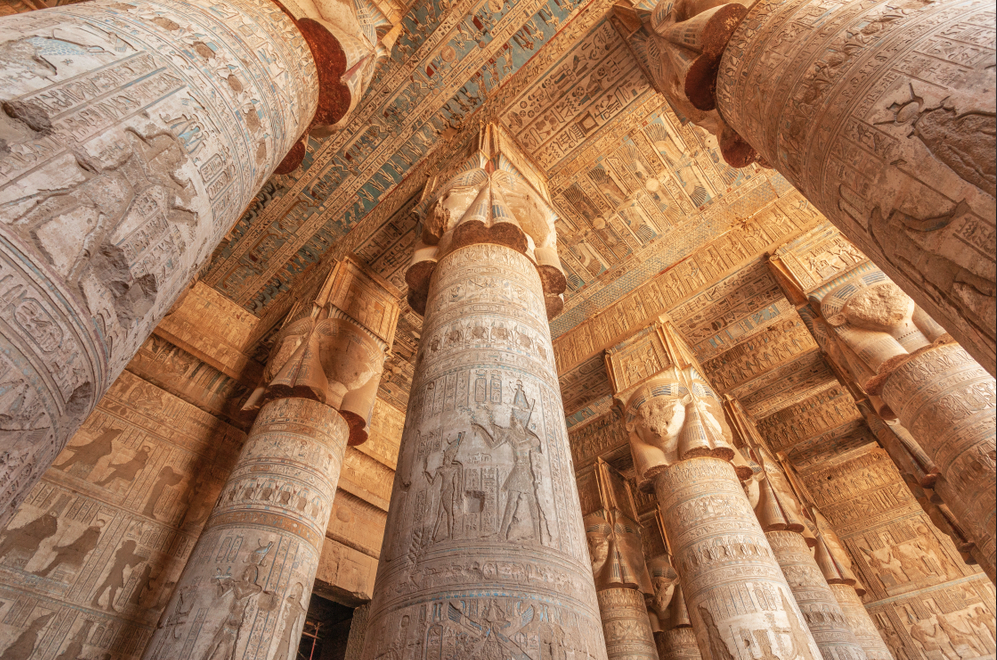
Nestled along the river’s western bank lies one of Egypt’s most beautifully preserved sacred complexes, a masterpiece of Ptolemaic architecture that showcases the fusion of Greek and Egyptian religious traditions. The sanctuary’s ceiling features one of antiquity’s most spectacular astronomical representations—a detailed zodiac circle that demonstrates ancient understanding of celestial mechanics and seasonal cycles. Visitors embarking on the hurghada to dendera temple excursion encounter vibrant paintings that retain their original colors after more than two millennia, depicting deities and pharaohs in scenes of ritual and devotion. The complex includes underground crypts, rooftop chapels, and a sacred lake, each element contributing to the temple’s function as a center for healing and worship. What makes this site particularly remarkable is its relatively intact state, allowing modern visitors to experience the structure much as ancient pilgrims would have encountered it centuries ago.
The Goddess of Joy and Music
This temple complex was dedicated to a beloved deity associated with music, dance, love, and maternal care—qualities that made her one of the most popular figures in the Egyptian pantheon. Represented with cow ears or a complete bovine head, this goddess embodied nurturing femininity and cosmic harmony. The temple walls depict elaborate festivals held in her honor, where priestesses would shake sacred rattles and perform ritual dances to ensure the goddess’s favor. Ancient texts describe how pilgrims traveled from across Egypt to seek healing at this sanctuary, believing the goddess possessed the power to cure ailments and grant fertility. The architectural design itself reflects her dual nature, with areas dedicated to her fierce protective aspects and others celebrating her role as a bringer of joy and abundance. Understanding this divine context transforms a simple temple visit into an encounter with the spiritual beliefs that shaped an entire civilization.
Conquering the Dunes on Four Wheels
For those seeking adrenaline rather than antiquities, Egypt’s desert offers playground-like terrain perfect for motorized adventure. The experience of piloting a powerful all-terrain vehicle across rolling sand dunes creates an exhilarating sense of freedom and accomplishment. The quad hurghada safari introduces participants to the desert’s diverse landscape—from hard-packed plains where speed becomes possible to challenging dune faces that require technique and courage to navigate. Professional guides lead groups to scenic viewpoints where the desert unfolds in every direction, offering perspectives that make you feel simultaneously insignificant and invincible. The roar of engines, the spray of sand, and the physical demand of controlling your vehicle through shifting terrain combine to create an intensely engaging experience that appeals to adventure seekers of all skill levels.
The Ancient City of Upper Egypt
The region surrounding the temple complex has served as an important settlement since predynastic times, evolving from a simple agricultural community into a major provincial capital. During the Ptolemaic period, when Greek rulers governed Egypt, this city experienced a cultural renaissance that produced some of the era’s most impressive architectural achievements. The area’s prosperity derived from its position along vital trade routes connecting Upper Egypt with Mediterranean ports, allowing local merchants to accumulate wealth through commerce in grain, textiles, and precious materials. Archaeological excavations have revealed extensive necropoli surrounding the ancient city, including tombs of governors, priests, and wealthy citizens whose burial goods demonstrate the region’s affluence. The city maintained its importance through Roman and early Christian periods, with several churches built atop or near pharaonic structures—a pattern that both preserved and obscured earlier monuments. Today, the modern town continues agricultural traditions established millennia ago, with sugarcane and grain fields stretching along the Nile’s fertile banks much as they did in pharaonic times.
Essential Guidance for Desert and Temple Exploration
- Start your temple visits early in the morning to avoid midday heat and enjoy better lighting for photography
- Wear closed-toe shoes with ankle support for quad biking to protect your feet from sand and provide better vehicle control
- Apply sunscreen generously and reapply every two hours, as desert sun reflects intensely off sand surfaces
- Bring a scarf or bandana to cover your nose and mouth during quad biking when sand clouds arise
- Listen carefully to safety briefings before operating any motorized equipment in desert environments
- Carry extra batteries for cameras and electronics, as extreme temperatures can drain power quickly
- Respect temple preservation by not touching painted surfaces or ancient inscriptions, as oils from skin cause deterioration
- Stay hydrated throughout outdoor activities by drinking water before you feel thirsty
- Wear lightweight, long-sleeved clothing to protect against sun exposure while maintaining comfort
- Inform tour operators of any medical conditions or physical limitations before participating in adventure activities
Architectural Marvel and Artistic Achievement
The temple’s construction represents the pinnacle of Ptolemaic building techniques, combining traditional Egyptian religious architecture with Hellenistic artistic sensibilities. Massive sandstone blocks were quarried from nearby sites and transported to the construction location using techniques refined over thousands of years of monument building. The ceiling’s astronomical decoration required not only artistic skill but sophisticated mathematical knowledge to accurately represent celestial bodies and their movements. Hypostyle halls feature columns topped with capitals depicting the goddess’s face from four directions, creating an immersive environment where worshippers felt surrounded by divine presence. The color pigments used throughout the complex—blues derived from lapis lazuli, reds from ochre, and greens from malachite—demonstrate the resources devoted to creating a visually stunning sacred space. Relief carvings reach depths of several centimeters in some areas, creating dramatic shadows that animate the scenes throughout the day as sunlight shifts across the walls.
Regional Attractions Worth Discovering
The broader area surrounding both the ancient temple complex and coastal resort towns offers numerous additional attractions that reward curious travelers. The Abydos temple complex, located relatively nearby, features some of Egypt’s finest relief carvings and served as one of the most important pilgrimage sites in ancient times. The Red Sea’s protected marine parks showcase coral gardens teeming with colorful fish species, sea turtles, and occasional manta ray sightings that delight snorkelers and divers. Traditional Bedouin villages nestled in desert wadis provide authentic cultural experiences where visitors can learn about nomadic traditions, herbal medicine, and desert navigation techniques passed down through generations. The Eastern Desert’s dramatic mountain ranges offer hiking opportunities through landscapes where ancient gold miners once labored, with abandoned settlements and mine shafts still visible among the barren peaks. For those interested in more recent history, World War II battlefields and monuments dot the northern coastal regions, commemorating pivotal conflicts that shaped modern Egypt and the broader Middle East.
Balancing Tranquility and Excitement
One of Egypt’s greatest advantages as a destination is its ability to satisfy diverse travel preferences within relatively compact geographical areas. Morning temple explorations provide quiet contemplation and intellectual stimulation as you decipher hieroglyphic texts and admire artistic mastery frozen in stone. Afternoon desert adventures deliver physical challenges and natural beauty, with opportunities to test your courage on steep dune faces or simply appreciate the desert’s austere magnificence. Evening hours invite relaxation along coastal promenades, where fresh seafood restaurants serve the day’s catch while the Red Sea laps gently at nearby shores. This variety ensures that travelers with different interests—whether couples with divergent preferences or families with members spanning multiple generations—can craft itineraries that satisfy everyone. The key lies in thoughtful planning that sequences activities appropriately, allowing adequate rest between physically demanding pursuits while maximizing your exposure to Egypt’s multifaceted attractions.
Preparing for Your Egyptian Adventure
Successful exploration requires more than simply booking tours and packing bags—it demands research, flexibility, and cultural awareness. Invest time in understanding the historical context of sites you’ll visit, as this knowledge transforms ruins into narratives and enhances your appreciation of architectural details. Consider hiring private guides for temple visits, as their expertise unveils meanings and connections that independent exploration might miss. Check seasonal weather patterns to align your travel dates with optimal conditions for your preferred activities, remembering that desert temperatures fluctuate dramatically between day and night. Pack versatile clothing layers that adapt to varying environments, from air-conditioned vehicles to sun-baked archaeological sites. Most importantly, approach your journey with patience and openness, recognizing that Egypt operates on rhythms different from Western norms—delays happen, plans change, and sometimes the best experiences emerge from unexpected detours rather than rigid adherence to schedules.